
Rev Up Your Renders: A Complete Guide to Automotive 3D Visualization

Why Automotive 3D Rendering is Changing the Industry
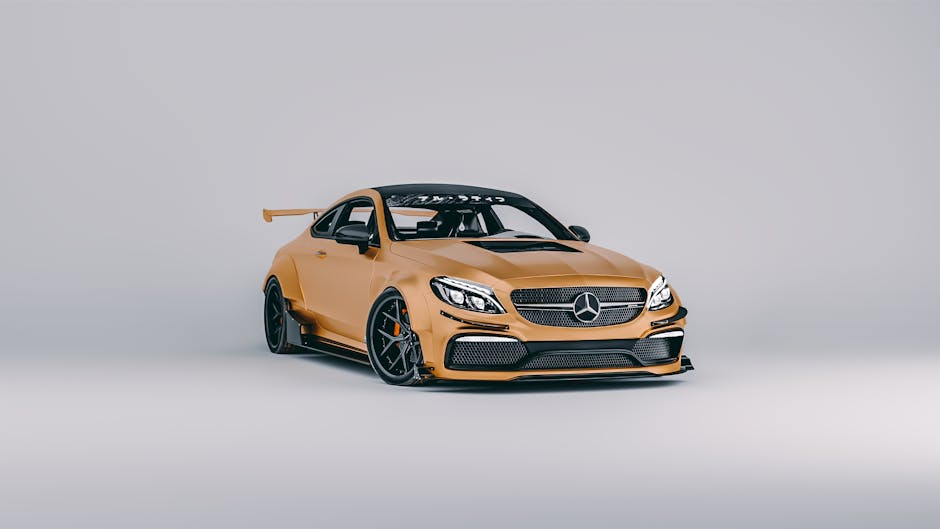
Automotive 3D rendering is the creation of photorealistic vehicle images and animations using computer-generated imagery (CGI), which removes the need for costly physical prototypes and photoshoots. Here's a quick overview:
What it is: Using specialized software to build digital vehicle models, apply realistic materials, set up lighting, and generate final images or videos.
Key benefits: Reduces costs, speeds up marketing timelines, offers unlimited design variations, and significantly lowers carbon emissions.
Common uses: Pre-launch marketing, virtual showrooms, design validation, and interactive configurators.
Essential tools: 3D modeling software (Maya, Blender), rendering engines (V-Ray, Unreal Engine), and HDRi lighting.
The automotive industry has shifted from spending millions on photoshoots in exotic locations to creating stunning visuals digitally. With manufacturers producing dozens of vehicle variations annually, traditional photography is inefficient and expensive.
This move from physical prototypes to digital twins has revolutionized design and marketing. Brands can now launch campaigns months before production starts, allowing designers to iterate endlessly and marketing teams to react quickly to market trends. The environmental impact is also significant. By replacing traditional photoshoots, which have a massive carbon footprint, digital rendering can reduce emissions by 75% or more.
I'm Lucas Simmons, and at Gener8 Media, I leverage my background in engineering and media creation to help brands use automotive 3D rendering. We harness these powerful tools to create content that resonates with audiences and drives results.

The Core Process of Automotive 3D Rendering
Ever wondered how those stunning car images come to life without an actual vehicle in sight? The journey from a design file to a photorealistic image is a fascinating process. Let's walk through the fundamental workflow of automotive 3D rendering.

From Blueprint to 3D Model
Every render begins with a 3D model, often derived from the manufacturer's CAD (Computer-Aided Design) files. These digital blueprints provide precise geometric data. The first step is data preparation, where we import CAD files into 3D modeling software.
We then create either high-poly models for detailed close-ups or optimized low-poly models for real-time applications like virtual showrooms. Using techniques like polygon modeling and NURBS surfaces, we accurately build the vehicle's exterior and interior, from body panels to dashboard buttons.
This foundational model is critical, as all subsequent work depends on its accuracy. To see how these models are used in motion, explore our work in 3D animations.
Applying Textures and Materials
This stage defines how light interacts with every surface. We use shaders and PBR (Physically Based Rendering) materials to simulate real-world physics, ensuring light behaves realistically. Car paint simulation is particularly complex; we use layered materials to replicate the base coat, metallic flakes, and clear coat for a lustrous finish.
Other materials like glass, chrome, and rubber are carefully crafted to match their real-world counterparts. A process called UV mapping ensures 2D textures wrap correctly around the 3D model without distortion. When done right, the digital vehicle becomes tangible and realistic.
Lighting and Environment Setup
Lighting transforms a good render into a photorealistic masterpiece. In our virtual studios, we use several techniques. Image-Based Lighting (IBL) uses High Dynamic Range imaging (HDRi) maps—360-degree photos of real locations—to illuminate the vehicle with authentic light and create realistic reflections. This allows a car's chrome to perfectly reflect a real-world sunset.
Alternatively, we can create entirely computer-generated CG backgrounds for complete creative freedom, like placing a car on Mars. We also use traditional three-point lighting for classic studio shots, highlighting specific features. The goal is always to simulate real-world light so convincingly that the render is indistinguishable from a photograph.
Rendering and Post-Production
Rendering is the final computation, where the software calculates all light interactions based on the model, materials, and lighting. Modern rendering engines use ray tracing and path tracing to simulate the physics of light for ultimate realism. This process is computationally intensive, so we use techniques like render passes (separating elements like shadows and reflections) and AI-powered denoising to improve efficiency and speed.
After rendering, we move to post-production. In this digital darkroom, we perform color correction, compositing, and add final touches like lens flares or depth of field. This final image refinement, often done in Adobe Photoshop, lifts the render from good to stunning, creating images indistinguishable from photography but with far more flexibility.
Key Benefits and Industry Applications
Automotive 3D rendering is more than a tech tool—it's reshaping how cars are designed, marketed, and sold. The advantages impact the entire automotive lifecycle, from the first sketch to the final sale.
Revolutionizing Vehicle Design and Prototyping
In the past, design iteration relied on slow, expensive clay models. Today, automotive 3D rendering enables rapid virtual prototyping, saving companies millions and accelerating development. Designers can experiment with concepts in days instead of weeks, visualizing every detail in photorealistic quality.
This allows for early-stage design validation, where stakeholders can approve designs and catch issues before they become costly. It also fosters global engineering collaboration, as teams worldwide can work on the same digital model in real-time. This approach to pre-visualization animation is now essential for modern automotive development.
The Power of Automotive 3D Rendering for Marketing
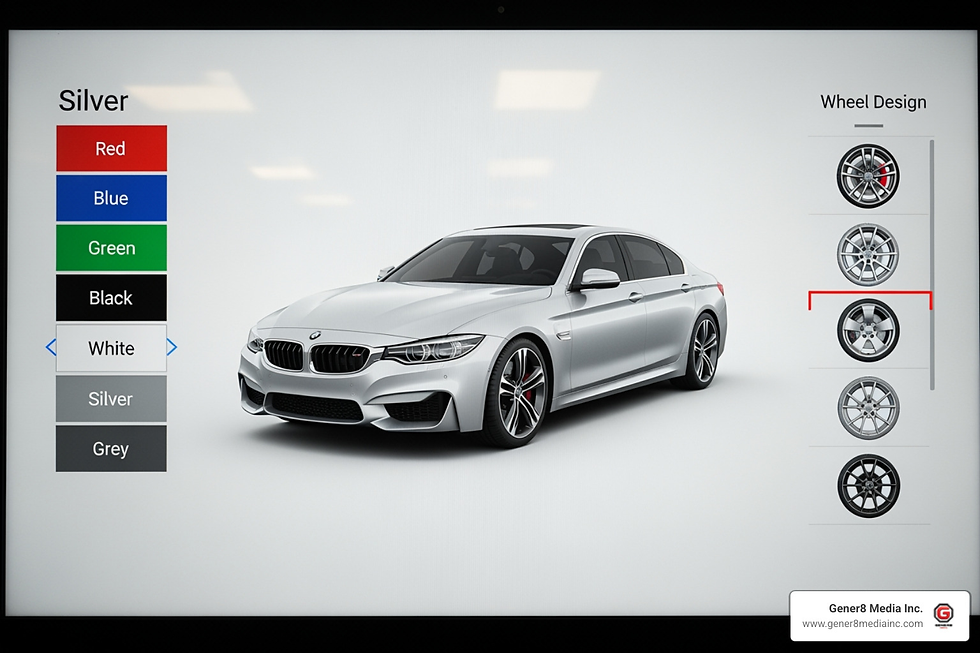
3D rendering has rewritten the rules of automotive advertising. Marketers can create photorealistic assets for pre-launch campaigns months before a car is built, generating early excitement. Interactive tools are a key benefit. Website configurators allow buyers to customize their dream car with endless options for colors, wheels, and interiors.
Virtual showrooms offer immersive experiences, letting customers explore vehicles from any angle. This technology provides a goldmine of high-quality advertising assets that can be adapted on demand—changing a car's color for a new campaign takes minutes, not weeks of reshooting. This speed provides a massive advantage over traditional photography.
Enhancing Sustainability and Reducing Costs
3D rendering offers significant environmental benefits and cost savings. Traditional production and marketing have a large carbon footprint from manufacturing physical prototypes and conducting on-location photoshoots.
As documented by reports on the environmental benefits of digital production, virtual methods can cut carbon emissions by 75% or more. Eliminating physical prototypes also reduces material waste. The cost savings are just as compelling. By avoiding on-location shoots, companies save on travel, location fees, and crew expenses.
A single photoshoot can cost over $100,000, while a 3D rendering budget can produce dozens of variations. This efficient resource management saves time and money, allowing companies to bring products to market faster and smarter.
Advanced Techniques: Animation and Virtual Production
Static images are powerful, but to demonstrate how a car moves, highlight its systems, or create an immersive story, you need more. Animation and virtual production take automotive 3D rendering beyond the still frame, opening up new possibilities for storytelling and engagement.
Creating Compelling Automotive Animations
Animation brings vehicles to life in ways static images cannot. Full-motion renders create dynamic visuals for commercials and marketing, showcasing features like adaptive headlights or sunroofs in action.
For technical demonstrations, animation is invaluable. We can create exploded views to reveal complex engineering or simulate driving dynamics to show how a vehicle handles in various conditions.
This creates engaging video content that explains technology with visual impact, as seen in our approach to motion graphics animation. Modern real-time rendering engines have made this process faster than ever, allowing for quick iterations and making animation accessible for more projects.
Integrating with Virtual Production
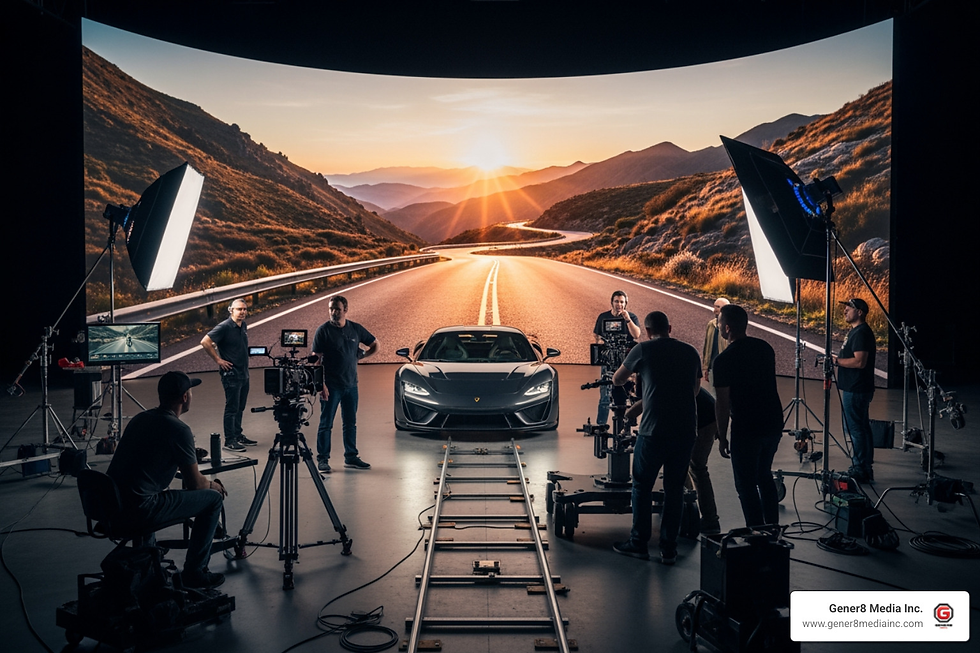
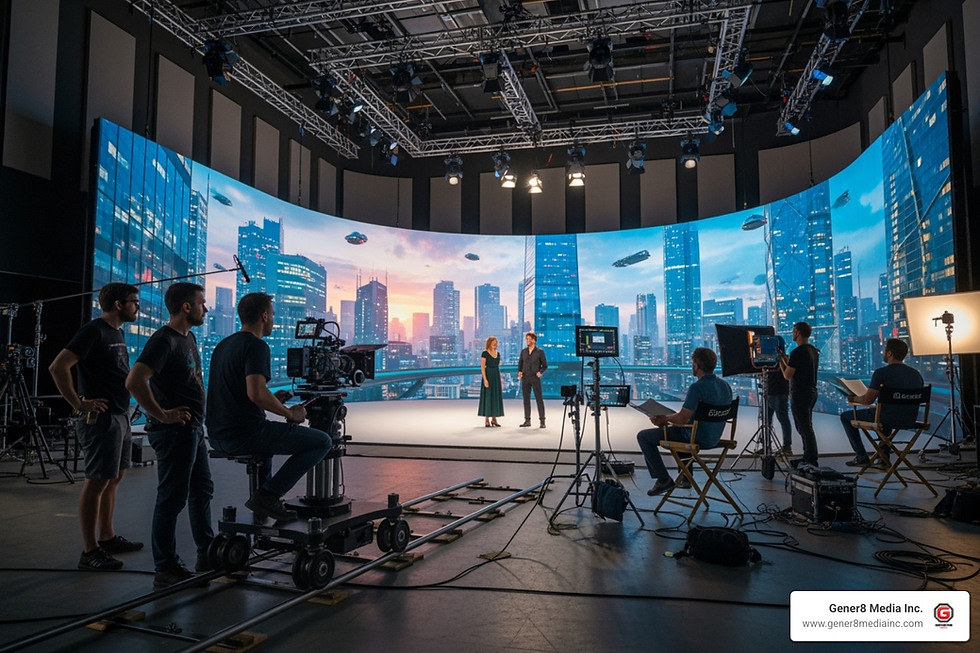
Virtual production merges physical and digital elements in real-time, and it's built on automotive 3D rendering. The process uses large LED walls that display photorealistic, interactive CG environments behind a physical vehicle.
As the camera moves, the background adjusts its perspective, creating a seamless illusion. This allows actors and cars to appear as if they are in any location, with natural lighting and reflections. These hybrid virtual productions solve major logistical problems for automotive brands.
Shoots can happen in a controlled studio, eliminating the need for travel, location permits, and weather dependency. A car can be "filmed" in Tokyo at sunset and an Arizona desert on the same day. This integration creates believable, immersive content, and our work in visual effects animation leverages these techniques to deliver previously impossible results.
The Future of Automotive Visualization
The world of automotive 3D rendering is evolving at breakneck speed. Technologies that were once science fiction are becoming everyday tools, changing how we create, experience, and interact with digital vehicles.

The Role of Real-Time Rendering
Real-time rendering provides instantaneous feedback, changing the creative process. Instead of waiting hours for a render, changes to lighting or color appear immediately. This technology powers interactive experiences that engage customers directly.
Virtual Reality (VR) test drives offer an immersive feeling of being behind the wheel, while Augmented Reality (AR) lets customers place a full-scale digital car in their own driveway using a smartphone. These tools are changing how people research and purchase vehicles by building confidence and emotional connection before they ever visit a dealership.
The Future of Automotive 3D Rendering and AI
Artificial Intelligence (AI) is set to revolutionize automotive 3D rendering. One key application is AI for concept generation, where an AI can produce hundreds of unique design variations from a few simple prompts, amplifying human creativity. AI is also automating tedious tasks, such as optimizing lighting setups or render settings for speed and quality.
AI-powered denoisers have already drastically cut render times. In the future, generative design and predictive visualization could streamline workflows even further. AI won't replace artists; it will act as the ultimate assistant, handling heavy computation and freeing creators to focus on storytelling and artistry.
Frequently Asked Questions about Automotive Rendering
What is the main difference between automotive rendering and traditional photography?
The key difference is control and flexibility. With automotive 3D rendering, every element—lighting, location, and vehicle configuration—is digital and can be changed instantly. This allows for limitless variations and the creation of visuals for cars that don't physically exist yet. Traditional photography is bound by physical constraints, requiring a real car, a specific location, and perfect conditions, making it far more costly and time-consuming to produce variations.
How long does it take to create a high-quality car render?
The timeline depends on the project's complexity. A few studio shots using a pre-existing 3D model might take a few days to a week. However, building a detailed vehicle model from scratch, including the interior and exterior, can take several weeks. A full campaign with animations and custom environments can be a multi-month project. The more ambitious the vision, the more time is required for a high-quality result.
What skills are essential for an automotive 3D artist?
An effective automotive 3D artist blends technical and artistic skills. Essential abilities include:
3D Modeling: Creating clean, accurate hard-surface models from CAD data, with expertise in both high-poly and low-poly techniques.
Lighting and Composition: A strong understanding of how light behaves in the real world to create visually compelling scenes.
Texturing and Materials: Proficiency in creating realistic materials, especially complex ones like layered car paint, using PBR workflows.
An Eye for Detail: A passion for automotive design and the ability to notice and replicate subtle curves and details.
Software Proficiency: Mastery of industry-standard tools like Blender, Maya, V-Ray, or Unreal Engine.
Conclusion
From changing CAD files into stunning visuals to pioneering virtual production, automotive 3D rendering has reshaped the industry by offering unparalleled creative freedom, efficiency, and sustainability. It allows designers to innovate faster, marketers to launch pre-production campaigns, and companies to cut costs and reduce their environmental impact.
The process—modeling, texturing, lighting, and rendering—opens up incredible possibilities. At Gener8 Media, we use this technology to empower storytelling, whether through immersive virtual showrooms or dynamic animations. The future is even brighter, with real-time rendering and AI set to streamline workflows and expand creative horizons.
If you're ready to produce world-class automotive visuals, these techniques are your roadmap. To see them in a high-octane environment, check out our work for Gener8 Racing, where visual impact is everything. Let's create something unforgettable together.


Comments