
From Clicks to Conversions: Iconic Digital Marketing Campaigns Revealed

Why Digital Marketing Campaigns Drive Business Success

Digital marketing campaigns are strategic, coordinated efforts to promote products or services through online channels like social media, email, search engines, and websites. Unlike traditional marketing's one-way communication, digital campaigns create interactive experiences that build lasting connections with audiences.
Key characteristics of successful digital marketing campaigns:
Strategic planning - Clear goals, target audience analysis, and multi-channel approach
Interactive engagement - Two-way communication between brands and customers
Measurable results - Real-time tracking of clicks, conversions, and ROI
Personalization - Custom content based on user data and behavior
Cost-effective reach - Precise targeting reduces waste and maximizes impact
The evolution from traditional to digital marketing has changed how businesses connect with customers. While TV ads broadcast to millions hoping to reach a few, digital campaigns target specific individuals with personalized messages when they're ready to buy.
Modern campaigns leverage cutting-edge technology to create immersive experiences. From Sephora's AR try-on features to Nike's virtual worlds in the metaverse, brands are pushing boundaries to capture attention in an increasingly crowded digital landscape.
Successful campaigns tell authentic stories, solve real problems, and use data to optimize performance. As one marketing expert noted, "Digital marketing campaigns are more interactive, dynamic, and sustainable than traditional ones," allowing brands to build communities rather than just broadcast messages.

The Key Ingredients of a Winning Campaign
Creating a successful digital marketing campaign requires the right ingredients and a proven recipe. Success comes from understanding your goals, measuring carefully, and executing a clear plan.
Every winning campaign starts with strategy components that work together. We begin by diagnosing the real challenge: Are we trying to build brand awareness, generate leads, or boost sales? Once we understand the problem, we develop a guiding policy and map out specific, targeted actions to solve it.
The foundation of any successful campaign rests on SMART goals. Instead of vague wishes like "get more customers," we set specific targets like "increase online sales by 15% in the next three months." This clarity helps everyone on the team understand what we're working toward.
Audience analysis is where the magic happens. We dig deep to understand who we're talking to—not just their age and location, but their motivations, challenges, and where they spend their time online. This research transforms generic messages into conversations that matter to real people.
Data and analytics guide every decision. We constantly track Key Performance Indicators (KPIs) like website traffic, conversion rates, and engagement metrics. These insights tell us what's working and what needs tweaking.
Modern marketers need essential marketer skills that go beyond traditional advertising. Strong communication, data analysis, and understanding social media dynamics are crucial. These skills let us not just launch campaigns, but adapt and improve them in real-time.
Personalization is the secret sauce that sets great campaigns apart. When we speak directly to someone's interests and needs, we create connections that last far beyond a single purchase.
Channel | Cost | Speed | Targetability |
Search Engine Optimization (SEO) | Low to Medium | Slow (long-term) | High (keyword, intent-based) |
Pay-Per-Click (PPC) | Medium to High | Fast (immediate) | Very High (demographics, interests, behavior, location) |
Social Media Marketing | Low to Medium | Medium to Fast | High (demographics, interests, platform behavior) |
Email Marketing | Low | Fast | Very High (segmentation, personalization) |
Understanding Your Audience and Goals
Before creating content or spending on ads, we investigate who our ideal customers are. This goes way beyond basic demographics.
Buyer personas are detailed character sketches of our perfect customers. We give them names, backgrounds, challenges, and dreams. These aren't just marketing exercises; they're the foundation that guides every creative decision.
When we're developing content like 3D animations, understanding our audience helps us choose the right visual style, craft compelling narratives, and hit the emotional notes that resonate. If you're curious about how we transform visions into immersive experiences, take a look at our 3D Animations services.
Market research reveals the bigger picture. We study industry trends, competitor strategies, and customer behavior patterns. This research helps us spot opportunities and avoid costly mistakes.
Setting objectives means getting specific about what success looks like. We track website traffic to understand how many people we're reaching and where they're coming from. The conversion rate tells us how well we're turning visitors into customers. These are the pulse check of our campaign's health.
The Role of Data in Driving Decisions
Data and analytics transform gut feelings into smart strategies. We use analytics tools to track everything from user behavior to campaign performance, giving us a clear picture of what's actually happening.
Measuring ROI keeps us honest about what's working. Every dollar spent needs to deliver measurable value, and our analytics help us see exactly where our investment is paying off.
A/B testing is essential for campaign optimization. We test different versions of ads, emails, or landing pages to see which performs better. This takes the guesswork out of creative decisions and lets the data guide our choices.
Take Spotify Wrapped—it's a brilliant example of turning user data into marketing gold. Every year, Spotify transforms listening habits into colorful, shareable stories that users can't wait to post on social media. It shows how data, when presented creatively, can strengthen customer relationships and build brand loyalty.
Customer feedback loops complete the circle. We actively listen to what our audience tells us through comments, reviews, and direct feedback. This ongoing conversation helps us continuously refine our approach and stay connected to what our customers really want.
Iconic Campaigns That Mastered Connection & Storytelling
The best digital marketing campaigns don't just interrupt your day—they become part of it. They make you laugh, think, or feel something real. These campaigns understand that behind every click and share is a human being with emotions and values.
When brands master storytelling, they stop being just another company and become a voice that speaks to who you are. This emotional connection transforms casual browsers into loyal customers who care about your brand's success.

The most memorable campaigns share common traits: authenticity that feels genuine, brand values that align with their audience's beliefs, and narratives that build communities around shared experiences. They prove that when you lead with purpose, the results often exceed expectations.
The Power of Purpose-Driven Storytelling
Sometimes the most powerful digital marketing campaigns happen when brands tackle issues that matter. Take Dove's journey with real beauty. When they found that 70% of women felt unrepresented in mainstream advertising, they did something about it.
Their "Project #ShowUs" campaign created an image collection featuring everyday women—not models or celebrities. The result? 100% positive brand sentiment. When you genuinely care about the people you serve, they notice. You can explore more about Dove's Project #ShowUs and see how they continue pushing for authentic representation.
Always struck a similar chord with their "#LikeAGirl" campaign. Instead of just selling products, they challenged the stereotypes that hold young women back. The campaign didn't just go viral—it started conversations in homes, schools, and workplaces.
Chipotle took storytelling in a different direction with "The Scarecrow." Their animated commercials weren't about burritos; they were about responsible food sourcing and making choices that matter. By educating customers about their values, they built trust with people who shared those same beliefs.
Using User-Generated Content (UGC)
People trust other people more than brands, which is why user-generated content is a game-changer. When real customers share genuine experiences, it creates social proof that polished advertising can't replicate.

Airbnb understood this perfectly with their "Made Possible By Hosts" campaign. Instead of hiring actors, they used real photos from actual trips. Their "Forever Young" video showed genuine moments of joy. The authentic emotion, paired with a sentimental soundtrack, struck a chord with viewers, pulling in 17 million views across their platforms.
What made it even smarter? They designed it to work perfectly on mobile with the sound off. Since many people watch mobile videos silently, those genuine smiles and real moments told the whole story without a word.
Apple's "Shot on iPhone Challenge" proved that the best marketing material can come from your customers. They encouraged users to share their best macro photos, then featured the winners on billboards and official channels. The campaign reached 6.5 billion people worldwide with a 95% positive reaction, turning customers into a marketing team.
At Gener8 Media, we know that authentic storytelling creates connections that last. If you're exploring new ways to weave your audience's voice into your content, our Podcasting services can help you capture genuine conversations that build real communities.
Genius Stunts and Real-Time Marketing
Every once in a while, a brand does something so bold or perfectly timed that it becomes a cultural moment. These aren't just digital marketing campaigns—they're events people remember for years.
Red Bull has always been about pushing limits, but their "Stratos" campaign literally reached new heights. In 2012, they live-streamed Felix Baumgartner's record-breaking jump from the edge of space. It was a perfect embodiment of their brand promise, captivating 6.8 million viewers on YouTube. You can still watch the Red Bull Stratos jump and feel that same sense of awe.
Sometimes the best opportunities are unexpected. During the 2013 Super Bowl power outage, Oreo's social media team sprang into action. Within minutes, they posted their famous "Dunk in the Dark" tweet. It became an instant classic and set the gold standard for real-time marketing, showing that brands could be culturally relevant and witty.
Burger King's "Whopper Detour" campaign combined bold thinking with clever technology. Using their app and geolocation, customers could order a Whopper for one cent—but only if they were near a McDonald's. It was cheeky, smart, and drove massive app downloads while generating buzz that money can't buy.
The Future is Now: Tech-Driven Digital Marketing Campaigns
The world of digital marketing campaigns is changing faster than ever. We're in an era where artificial intelligence, augmented reality, and virtual worlds are no longer sci-fi concepts. They are the tools brands use to create experiences that were once impossible.

Today's campaigns transport people into immersive experiences where they can try on makeup virtually or explore branded worlds in the metaverse. The global digital advertising market reflects this, expected to grow from $667 billion in 2024 to $786.2 billion by 2026.
What makes this shift so powerful is that brands aren't just creating content; they're building entire digital environments where customers can play, explore, and connect with their offerings.
Pushing Boundaries with Immersive Technology
Several brands are excelling with new tech. Sephora's AR app is a perfect example of blending convenience with innovation. Instead of wondering if a lipstick shade will work, you can try it on through your phone. It's like having a personal makeup artist in your pocket, and Sephora's online sales skyrocketed from $580 million to $3 billion between 2016 and 2022.
Nike took things further by creating "Nikeland" on Roblox. With over 216 million monthly users on the platform, Nike found a brilliant way to meet younger customers where they already spend their time. Users can dress their avatars in Nike gear and explore virtual spaces that feel fun and engaging.
The Barbie Movie's AI selfie generator let fans insert themselves into Barbie's world, creating millions of shareable moments that helped drive the movie to $1.4 billion in earnings. It's a masterclass in making your audience part of the story.
While many focus on short content, Hilton Hotels released a 10-minute TikTok video featuring Paris Hilton. It worked because they knew their audience: 44% of people planning Hilton stays had watched long-form videos recently, and 37% use TikTok. Sometimes breaking the rules pays off when you understand your customers.
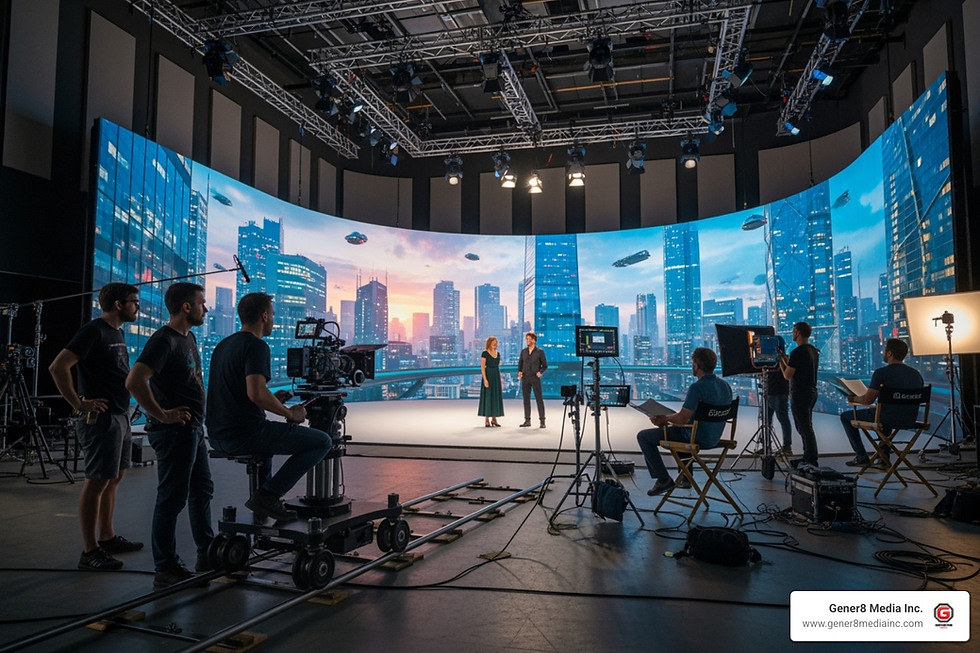
At Gener8 Media, we're passionate about these technologies. We use virtual production and 3D animation to create captivating experiences. If you're curious about mastering these tools, check out our Virtual Production Training.
How Personalization Creates Unforgettable Experiences
Modern consumers don't just want good products; they want to feel understood. Data-driven personalization has become the key to changing casual browsers into devoted brand advocates.
Coca-Cola's "Share a Coke" campaign was brilliantly simple: they replaced their logo with popular names. Suddenly, everyone was hunting for bottles with their name or their friends' names. It turned a routine purchase into a personal treasure hunt.
Spotify Wrapped takes personalization to an art form. Every year, they transform your listening habits into a colorful, shareable story about your musical journey. It makes users feel seen while encouraging them to share their unique tastes. Research shows that about a third of streaming users want this kind of personalized experience, and 42% want brands to make them feel valued.
The magic happens when brands use data not just to sell, but to create genuine connections. It's about showing customers that you pay attention and are willing to adapt your approach to fit their needs.
At Gener8 Media, we believe personalization extends beyond digital screens. Through our LED Wall Consultation services, we help create dynamic visual experiences that respond to audiences in real-time for unforgettable events, retail spaces, or immersive brand activations.
Frequently Asked Questions about Digital Marketing Campaigns
Digital marketing campaigns can seem complex. Here are answers to the most common questions we receive from clients.
What are the key components of a successful digital marketing campaign?
A successful campaign needs a solid foundation and a clear blueprint. We start by diagnosing the problem, creating a strategy to tackle it, and then outlining specific actions to make it happen.
The essential components are straightforward. First, we set SMART goals that are specific and measurable, like "increase website traffic by 20% in three months." Next comes understanding your audience through detailed buyer personas to learn what makes them tick.
A multi-channel approach is crucial because your audience is on multiple platforms. We might combine SEO for long-term growth, social media for engagement, and email marketing for nurturing leads. Compelling content is what connects with people, whether it's a helpful blog post, an entertaining video, or a personalized email.
Finally, robust analytics keep everything on track. We constantly monitor what's working and what isn't, allowing us to make adjustments before small problems become big ones.
How do you measure the success of a campaign?
The magic of digital marketing is its measurability. Unlike traditional advertising, digital marketing campaigns provide clear data about performance.
We track Key Performance Indicators (KPIs) that tie directly to your goals. Website traffic shows how many people are finding you and from where. Are they coming from Google searches or social media?
Click-through rates show how compelling your ads are. If people see an ad but don't click, the messaging may need work. Conversion rates are often the golden metric—the percentage of visitors who take a desired action, like making a purchase or signing up for a newsletter.
We also monitor cost per acquisition to determine if a campaign is profitable. Social media engagement (likes, shares, comments) tells us how well your content resonates with your audience.
The beauty of this approach is that we can see what's working in real-time and make immediate adjustments.
How does digital marketing differ from traditional marketing?
The main difference is the shift from one-way communication to interactive engagement. Traditional marketing—TV commercials, radio ads, and billboards—is a one-way communication. A brand broadcasts its message and hopes the right people are listening.
Digital marketing campaigns are interactive and engaging. When someone comments on your social media post or replies to an email, you can talk back. This creates real relationships instead of just broadcasting messages.
Measurability is another game-changer. Traditional marketing often involves guessing results. Digital marketing provides precise, real-time data on who saw your content, what they did next, and if they became customers.
The targeting capabilities are far more advanced. Instead of hoping a TV ad reaches the right demographic, you can target people based on their interests, behaviors, and location. This makes your messages more relevant and effective.
Cost-effectiveness also levels the playing field. A small business can launch a highly targeted digital campaign for a fraction of the cost of a major traditional ad buy. It's more accessible and adaptable—you can launch a campaign in the morning and adjust it by the afternoon.
Oreo's "Dunk in the Dark" tweet during the 2013 Super Bowl blackout is a perfect example. They created and published a witty response in minutes, something impossible with traditional advertising. That's the power of digital marketing.
Conclusion
In digital marketing campaigns, creativity and data work together to forge deeper human connections. The iconic campaigns we've explored are not just clever stunts; they are powerful examples of brands that understand their audiences and create lasting experiences.
Dove challenged beauty standards and sparked global conversations. Airbnb turned real customer stories into heartwarming content. Red Bull sent someone to space and had millions watching. These were the results of brands combining bold creativity with smart, data-driven decisions.
What's exciting is where we're headed. The future of digital marketing campaigns is being shaped by technologies that once seemed like science fiction. AI is personalizing experiences, AR is letting us try on makeup from our couches, and brands are building virtual worlds for customers to explore. The only limit is our imagination.
Here at Gener8 Media, in Northern California, we get a front-row seat to this evolution. We work across film, TV, motorsports, and digital campaigns, using cutting-edge technology like virtual production and 3D animation to transform ideas into experiences that move people. Whether you're dreaming up your next campaign or want to stand out in a crowded digital world, we're here to help turn those visions into reality.
The secret sauce isn't a secret. Stay authentic—people can spot a fake. Let your creativity run wild—the most memorable campaigns are often the most daring. Trust your data—it's like having a conversation with your customers. And most importantly, don't be afraid to try something new, whether that's jumping into AR, experimenting with AI, or telling your story in a completely different way.
The brands that master this balance are the ones building real relationships and communities, not just racking up sales. They're creating conversations and driving serious business growth.
Ready to see what happens when your vision meets cutting-edge technology and genuine human connection? Lift Your Projects with Gener8 Media's Expertise and let's build the future of digital marketing together.


Comments