
Real-Time Magic: Unpacking the Secrets of 3D Animation in Gaming

Why 3D Animation is the Heartbeat of Modern Gaming

3d animation for games is the art of creating three-dimensional moving images that bring characters, environments, and interactive experiences to life. This process, which involves modeling, rigging, and animating 3D assets for game engines, is the engine behind modern player immersion and storytelling.
Video games have evolved dramatically from simple 2D sprites to visually stunning worlds that rival blockbuster films. This growth is reflected in the market, with video game animation projected to more than double to $11.1 billion by 2028. The power of 3D animation lies in its ability to add depth and realism, enabling cinematic storytelling and creating believable characters that players connect with emotionally.
The journey from wireframe graphics to the photorealism in games like Hogwarts Legacy and The Last of Us Part II represents decades of advancement. Behind every fluid movement and subtle expression lies a complex pipeline of creative and technical work.
I'm Lucas Simmons, founder of Gener8 Media Inc. We specialize in helping creators craft powerful visual stories. While my background is in media production, I've studied the processes that make 3d animation for games a transformative force in entertainment. Understanding this pipeline is key to creating compelling digital experiences.

From Pixels to Polygons: Understanding 3D Game Animation
Modern 3d animation for games has moved far beyond the colored squares of early video games, creating worlds that feel almost real. Instead of flat drawings, animators build digital sculptures from polygons—tiny connected shapes. These models are then wrapped in textures to define their appearance, from a character's leather jacket to a tree's rough bark.
To bring these models to life, a digital skeleton is built inside. This framework allows animators to pose and move the character with incredible control, a process known as digital puppetry.
When the skeleton moves, the character's textured "skin" moves with it, enabling every sword swing, subtle blink, and billowing cape. The result is characters who don't just move through game worlds—they inhabit them, conveying emotion and pulling players deeper into the story.

How Animation Breathes Life into Games
Animation does more than just create movement; it makes game worlds feel alive and responsive.
Character Movement: A character's walk cycle, combat moves, and even how they stand still reveals their personality—confident, afraid, or exhausted. The weight and momentum in an animation make actions feel impactful.
Environmental Animation: Static backgrounds become living worlds when trees sway, water ripples, and torches cast flickering shadows. These details make a world feel inhabited rather than like a painted backdrop.
Cinematic Cutscenes: Using techniques that rival Hollywood films, animators create dramatic story moments. Complex facial expressions and camera work build mood and deepen the connection between players and characters.
Special Effects: The final layer of polish comes from effects like magical spells, explosions, and weather. These animated effects make the world feel dynamic and give weight to player actions. Learn more about this in our post on visual effects animation.
The Power of Immersion and Storytelling
Great animation makes you forget you're playing a game. When movements feel natural and characters express themselves through body language, you become invested in the story. Non-verbal cues like slumped shoulders or a confident stride create powerful emotional connections that dialogue alone cannot achieve. This is the focus of any serious character animation studio.
3d animation for games gives players a sense of agency. The world and its characters react with nuance, making choices feel meaningful. It transforms interactive entertainment into a powerful form of visual storytelling.
The Core Process of 3D Animation for Games
Creating 3d animation for games is a production pipeline that blends art and technology. The process transforms concepts into interactive experiences by flowing through several interconnected stages: modeling, texturing, rigging, animation, and implementation into a game engine like Unity or Unreal. Each stage builds on the last, turning static models into living game characters.

Step 1: Modeling, Texturing, and Rigging
This initial stage is where assets are created. 3D modeling involves sculpting digital meshes, using techniques like digital sculpting for organic forms and hard surface modeling for mechanical objects. Next, UV mapping unwraps the 3D model into a 2D pattern so artists can apply textures without distortion.
Texturing gives surfaces their character using Physically Based Rendering (PBR) materials, which simulate how light behaves in the real world. This creates realistic surfaces that react to in-game lighting. Learn More > SubstanceThe industry standard for 3D painting and texturing.
Finally, skeletal rigging builds a digital skeleton inside the model, and skinning binds the mesh to it. This allows animators to pose and move the character naturally.
Step 2: Animating the Character
This is where static models come to life. Common techniques include:
Keyframe Animation: The traditional method where animators set key poses, and software generates the in-between frames. Applying the 12 Principles of Animation ensures movements feel natural and impactful.
Motion Capture (Mocap): For ultra-realism, actors' movements are recorded and applied to the 3D character's rig. This captures nuances that are difficult to animate by hand.
Procedural Animation: Algorithms generate animation dynamically, perfect for flowing cloth, hair, or environmental effects that react to in-game physics.
Animation Cycles: To save time, animators create seamless loops for common actions like walking, running, and idling. Explore more creative techniques in our work with 3d animations.
Challenges in Implementing 3D Animation for Games
Bringing 3d animation for games to life involves overcoming several key challenges:
Performance Optimization: Unlike film, game animation must run in real-time (e.g., 60 FPS). This requires a constant balance between visual quality and performance, carefully managing the polygon count of assets.
Level of Detail (LODs): To optimize performance, developers use multiple versions of an asset. Lower-detail models are swapped in automatically as the object moves further from the camera, saving processing power.
Animation Blending: Smoothly transitioning between different animations (e.g., from walking to running) requires sophisticated blending systems to avoid jerky, unnatural movements.
Team Collaboration & Budget: Large projects require seamless collaboration between modelers, riggers, animators, and programmers. Studios must also balance artistic ambition with budget constraints, making smart decisions about where to allocate resources.
The Digital Workshop: Tools, Roles, and Career Paths
Creating 3d animation for games requires a digital workshop of specialized tools and a team of skilled professionals. The field blends creativity with technology, and with demand for 3D animators projected to grow 16% by 2032, it offers exciting career opportunities for those who are both artists and technicians.

Key Software for 3D Animation for Games
Modern game animation relies on a suite of powerful software:
Modeling/Animation: Autodesk Maya is the long-standing industry standard, while the free and open-source Blender has become a powerful alternative.
Sculpting: ZBrush is the top choice for sculpting highly detailed organic models like characters and creatures.
Texturing: Adobe Substance 3D Painter is essential for creating realistic, physically-accurate materials. Learn More > SubstanceThe industry standard for 3D painting and texturing..
Game Engines: Unreal Engine and Unity are where all assets come together to create a playable experience. Unity is known for its accessibility, and you can Create your first 3D animations - Unity Learn, while Unreal is famed for its visual fidelity.
Roles and Careers in the Animation Pipeline
Game animation is a collaborative effort with many specialized roles:
3D Modeler: The digital sculptor who transforms 2D concepts into 3D models, balancing detail with performance requirements.
Rigger: The technical artist who builds the internal "skeleton" and controls that allow a model to be animated.
Character Animator: The performer who brings characters to life, focusing on storytelling, emotion, and believable movement.
Technical Animator: A hybrid role bridging art and code. They implement animations in the game engine, build animation systems, and solve technical problems to ensure everything runs smoothly.
VFX Artist: Creates dynamic effects like explosions, magic spells, and environmental phenomena that add impact and polish.
At Gener8 Media Inc., we understand how these roles interconnect to bring a vision to life. The career paths in game animation are diverse and growing, offering opportunities for those passionate about building digital worlds.
The Next Level: Future Trends in Game Animation
The world of 3d animation for games is constantly evolving, with technological breakthroughs reshaping how we create and experience interactive entertainment. The future promises even more exciting possibilities, from AI-generated movements to fully immersive virtual worlds.
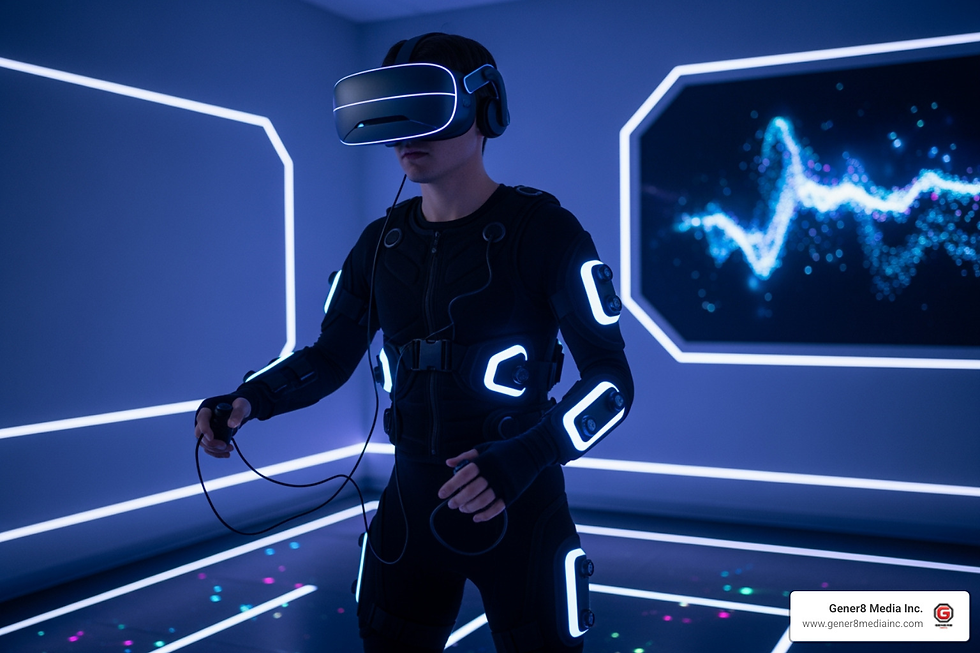
AI and Machine Learning
Artificial intelligence is revolutionizing animation workflows. AI-powered motion capture can now generate character animations from simple video footage, making mocap accessible to indie developers without expensive suits or studios.
Generative animation goes further, using AI to create new movements from text prompts or context. These automated processes handle repetitive tasks like rigging and data cleanup, freeing animators to focus on creativity and reducing production time.
Real-Time Rendering and Virtual Production
The line between game graphics and film is disappearing. Real-time rendering in modern game engines provides instant feedback, allowing artists to see their work in cinematic quality as they create it. This has led to photorealistic characters and dynamic environments that were once only possible in pre-rendered movies.
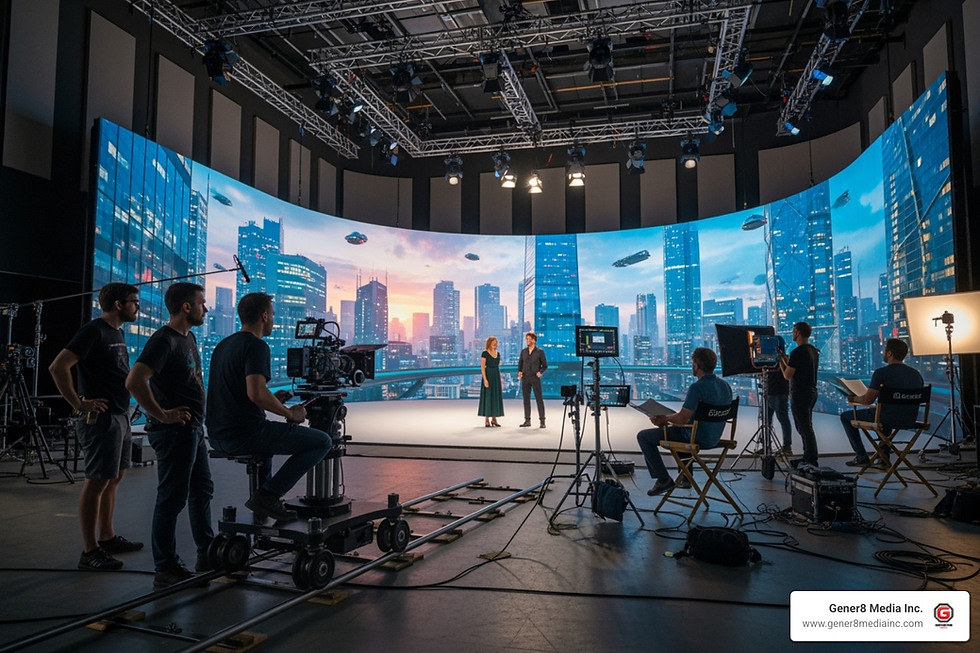
This technology is also blurring film and games through virtual production. By using game engines to create digital sets on LED walls, creators can direct scenes with unprecedented control. This is especially powerful for planning complex sequences, a process explored in pre-visualization animation.
Immersive Experiences: VR and AR
Virtual and augmented reality represent the next frontier, demanding new approaches to animation. In VR, player presence is paramount, requiring highly convincing animations to maintain the illusion of being inside the game world. Interactive animation must be more dynamic, reacting to the player's gaze and movements to enable new gameplay mechanics.
AR takes this further by placing animated characters into the real world, requiring them to adapt to unpredictable environments. These immersive platforms are creating experiences that once seemed like science fiction.
Frequently Asked Questions about 3D Game Animation
How long does it take to animate a game character?
It varies greatly. A simple idle animation might take a few hours, while a complex combat sequence for a AAA character could take weeks. However, tools like AI-powered motion capture and animation libraries like Mixamo are dramatically speeding up the process.
For a full game with hundreds of characters, the animation phase can still span months or years, depending on the project's scope.
Is 3D animation better than 2D for games?
Neither is inherently "better"; they serve different artistic goals. 2D animation excels at stylized aesthetics, as seen in games like Hollow Knight. However, 3d animation for games is best for realism, immersion, and flexibility. The ability to view a character from any angle makes it ideal for open-world exploration and complex combat. For games that prioritize depth and player presence in a 3D space, it's the natural choice.
What skills are most important for a 3D game animator?
Success in 3d animation for games requires a blend of artistic talent and technical skill. Key competencies include:
Animation Principles: A strong grasp of the 12 Principles of Animation to create believable motion.
Technical Proficiency: Expertise in software like Maya, Blender, Unity, and Unreal Engine.
Anatomy and Kinesiology: Understanding how bodies move, shift weight, and express emotion through motion.
Attention to Detail: The ability to add subtle gestures and micro-movements that convey personality.
Game Engine Knowledge: Understanding optimization (LODs, polygon counts) and animation blending to ensure performance.
Problem-Solving: The ability to troubleshoot technical issues like broken rigs or animation clipping.
Teamwork: Strong communication skills for collaborating with modelers, designers, and programmers.
Adaptability: A willingness to learn new tools and workflows as the industry evolves.
Conclusion: Bringing Your Digital Worlds to Life
From polygon meshes to AI-powered motion capture, 3d animation for games is where art and technology create magic. Every step in the process—modeling, rigging, animating, and implementation—is crucial for building the immersive worlds that captivate players. This field is constantly evolving, with real-time rendering, AI, and virtual production opening new doors for storytellers.
At Gener8 Media Inc., a Northern California-based media production company, we thrive at this intersection of technology and creative vision. We specialize in changing diverse visions into immersive experiences, whether through 3d animation for games, virtual production, or digital campaigns.
The tools to build these worlds are more accessible than ever. If you're ready to shape the future of interactive media, we can help you master the necessary skills. Explore our virtual production training to master these techniques and start bringing your digital worlds to life.


Comments