
Detailed Reviews of the Top 10 Race Driver Programs

Why Race Driver Programs Are the Fast Lane to Motorsports Success

Race driver programs are structured training systems that teach aspiring drivers everything from basic car control to advanced racecraft and media relations. These programs offer the safest and most effective path forward, whether you're aiming for a professional career or weekend track days.
Types of Race Driver Programs:
Professional Development Academies: Elite, fully funded programs like NASCAR Drive for Diversity for future champions (ages 12-22).
Accredited Racing Schools: Institutions like Skip Barber that provide official licensing and fundamental skills.
SCCA Drivers' Schools: Regional programs that grant SCCA competition licenses.
HPDE Track Days: An affordable entry point using your own car.
Sim Racing Programs: Cost-effective virtual training to develop racecraft.
The motorsports ladder has never been more accessible, with programs for every budget and skill level. Some focus on driving technique, while others take a holistic approach, training drivers on branding, sponsor relations, and health. The typical pathway starts with karting or racing schools, progresses through regional series, and culminates in professional racing. However, many drivers start as adults through weekend HPDE events.
I'm Lucas Simmons, and my background in engineering and content creation gives me a unique perspective on how these complex programs develop elite performers. This guide explores the top race driver programs available, helping you find the right fit for your ambitions and budget.

The Pathway to Pro: Professional Development Academies
For those serious about a racing career, professional development academies are the most direct route. These elite programs build complete professional racers, and the gold standard is the NASCAR Drive for Diversity Driver Development Program.
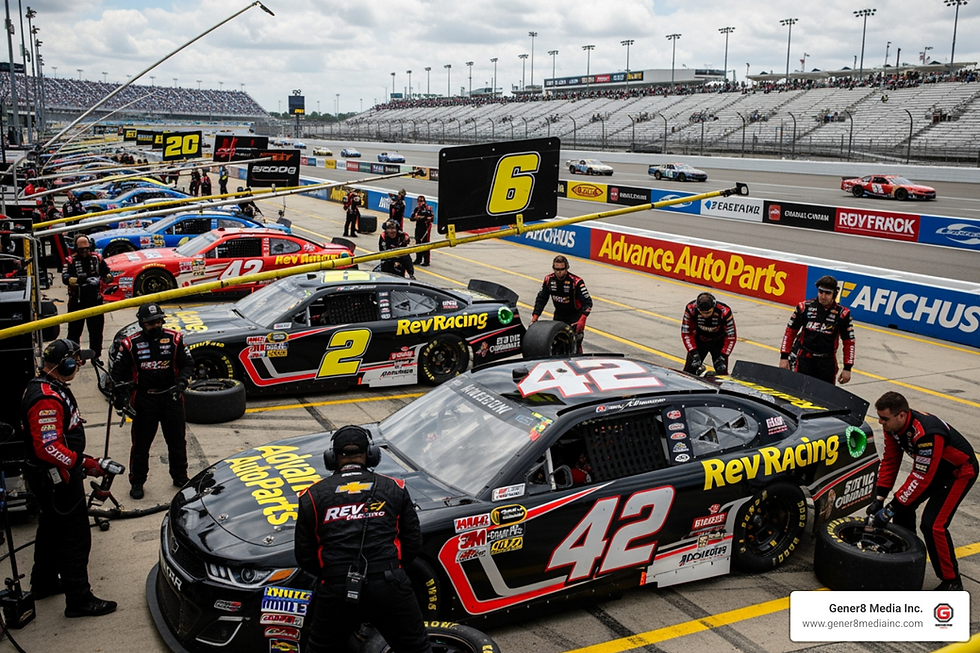
The program's mission is to increase diversity in motorsports while developing future NASCAR champions. It opens doors for talented female and ethnic minority drivers who might otherwise lack access to professional racing's expensive ladder.
Rev Racing, the program's competition arm, has a stellar track record: 26 wins, 119 top-5 finishes, and 232 top-10 finishes in the ARCA Menards Series. Graduates include champions like Kyle Larson (2012) and Nick Sanchez (2022).
What makes this race driver program unique is its holistic approach. It prepares drivers for the business side of racing, covering crucial skills like media and branding, sponsor relations, and health and wellness. It's a combination of a racing MBA and a performance driving school, designed to accelerate development. The results are undeniable, with graduates like Kyle Larson, Bubba Wallace, and Daniel Suárez reaching NASCAR's highest levels.
Want to explore the full story behind this groundbreaking initiative? Learn more about the D4D program's history.
The Application and Selection Process
Entry into this elite race driver program starts with scouting youth programs. The eligibility requirements are specific: applicants must be between 12 and 22 years old and come from a diverse background (female or ethnic minority). Documented racing experience is mandatory. International drivers are eligible if they can legally work in the U.S.
After a selection combine, chosen drivers compete in series appropriate for their skill level, such as the ARCA Menards Series, NASCAR Advance Auto Parts Weekly Series, or the Summer Shootout Series. This structured ladder is designed to prepare drivers for NASCAR's national series.
Building the Foundation: Accredited Racing Schools
Before aiming for championships, you need fundamentals. Accredited racing schools provide the bedrock of driver education, teaching essential techniques and, crucially, providing the official licensing required for sanctioned competition.

These schools transform amateurs into competent, licensed racers by teaching vehicle dynamics, safety protocols, and emergency handling. The Sports Car Club of America (SCCA) is the primary sanctioning body, and its license is your passport to the racing world. To get one, you'll attend an SCCA-accredited school to earn a SCCA Novice Permit, eventually upgrading to a SCCA Full Competition License.
Case Study: Skip Barber Racing School
As the world's largest racing school with over 400,000 graduates, Skip Barber Racing School is synonymous with quality driver education. Its alumni list includes legends like Jeff Gordon, Alexander Rossi, and Josef Newgarden.
The school offers programs for all levels, from one-day introductions to multi-day racing schools that prepare you for SCCA licensing. A key innovation is their sim-to-reality pathway via an iRacing partnership, allowing drivers to practice virtually before hitting the track. Follow Skip Barber's latest events on Instagram.
Case Study: Lucas Oil School of Racing
The Lucas Oil School of Racing offers a clear three-step program: Basic Racing School, Advanced Racing School, and the Lucas Oil Formula Car Championship Series. Their intensive two-day Basic course provides extensive track time and data analysis, earning graduates an SCCA Novice Permit.
What sets Lucas Oil apart is its focus on career preparation through its arrive-and-drive championship, which prepares drivers for professional ladders like the Road to Indy. The school also supports new talent with scholarship opportunities, making it an excellent entry point into competitive motorsports.
The Modern Edge: Accessible Track Day and Sim Programs
Modern motorsports welcomes enthusiasts at every level, from affordable track days in your own car to realistic simulation technology.

Your Car on a Real Track: NASA HPDE
NASA's High Performance Driving Event (HPDE) program offers a safe, educational environment to drive your own car on a real track. This race driver program is accessible to anyone with a valid driver's license and a safe, street-legal car.
The program is structured into four progressive run groups (HPDE 1-4), allowing you to advance at your own pace. Beginners in HPDE1 receive a certified in-car instructor at no extra charge to teach the proper driving line, braking, and steering techniques.
As you progress, you gain more independence, with HPDE4 drivers having the skills to pursue a Time Trial license. Safety is paramount, with every car undergoing a basic safety inspection. Convertibles require approved rollover protection, and all cars need working mufflers. Strict passing rules ensure a safe environment for learning your car's limits.
From Virtual to Reality: The Sim Race Driver Program
Simulation racing has become a legitimate, cost-effective training tool for developing racecraft. Programs like Project Motor Racing's 'Factory Driver Program' are pushing realism further by using structured feedback from actual drivers to improve their simulation.
By gathering detailed input from both elite sim racers and real-world professionals on topics like car setup and handling, they refine the virtual experience. An AI algorithm processes this feedback to generate actionable improvements, ensuring that virtual skills transfer effectively to the real track. This sim-to-reality pipeline is so effective that top sim racers are now winning in real-world series, proving that virtual laps offer genuine skill development.
Choosing the Right Race Driver Program for You
Choosing the right race driver program requires reflecting on your goals, budget, and time commitment.
Here's a breakdown of the main program types:
Professional academies (e.g., NASCAR Drive for Diversity) are for aspiring champions. They are highly selective, intensive, and often fully funded, requiring a full-time commitment to land a pro contract.
Accredited racing schools (e.g., Skip Barber, Lucas Oil) teach fundamentals and issue race licenses. They cost several thousand dollars for multi-day programs and result in an SCCA competition license.
HPDE/track day programs (e.g., NASA) are for skill development and enjoyment. They are the most affordable option (a few hundred dollars per event) and require only a weekend commitment.
What Are Your Racing Goals?
First, clarify your objective. Are you an aspiring professional or a weekend hobbyist? Professional programs like NASCAR Drive for Diversity are intense and holistic, treating racing as a full-time job. Hobbyists will find accredited schools and HPDE events more suitable for earning a license for amateur racing or simply enjoying track time. Your budget and time commitment will also guide your choice, ranging from a single HPDE weekend to a multi-year professional development program.
What Is Your Current Experience Level?
Your background determines your starting point.
Starting from scratch: Introductory 1-day racing school programs or NASA's HPDE1 (with an in-car instructor) are perfect for beginners.
Karting or sim racing background: This experience provides a head start, teaching racecraft and car control that translates well to cars. You may qualify for advanced school courses or be a strong candidate for development programs.
Previous track experience: If you've done casual track days, you might qualify for intermediate HPDE groups or advanced school programs.
Regardless of your starting point, progressive skill-building through structured instruction is key to developing smooth, safe, and consistent driving habits.
Frequently Asked Questions about Race Driver Programs
How much does a race driver program cost?
Costs vary widely. A single NASA HPDE track day can be a few hundred dollars. Multi-day programs at accredited racing schools typically range from a few thousand to over ten thousand dollars, but this often includes the use of a race car.
For aspiring professionals, a full season can cost six figures, but elite programs like the NASCAR Drive for Diversity are often fully funded for selected drivers. Many schools, like Lucas Oil, also offer scholarships.
Do I need my own race car to start?
It depends on the program. For NASA HPDE, you bring your own street-legal car—anything from a Mazda Miata to a Honda Civic is great for learning. However, most accredited racing schools like Skip Barber and Lucas Oil are "arrive-and-drive," providing the race cars for you. Elite academies like Rev Racing also supply the vehicles, removing a huge financial and logistical barrier.
What is the best first step to becoming a race car driver?
This depends on your age and goals. For young, aspiring professionals, competitive karting is the gold standard, teaching fundamental racecraft. If you're starting later or want to jump into cars, a 1-Day or 3-Day race driver program at an accredited school is an excellent choice to learn foundational skills. For enthusiasts, an HPDE event with an organization like NASA is the most accessible and affordable first step. The key is to start somewhere; there's a path for everyone.
Conclusion
The path to becoming a race car driver has more entry points than ever, with a race driver program available for every budget and ambition. We've seen how elite academies like NASCAR Drive for Diversity build professional careers, while foundational schools like Skip Barber and Lucas Oil provide the essential skills and licenses to compete. For enthusiasts, accessible options like NASA HPDE events and advanced sim racing offer incredible ways to develop skills.
As you progress, your personal story and brand become as crucial as your on-track performance. Modern motorsports demands a compelling presence to attract sponsors and fans. This is where specialists like Gener8 Media Inc. excel, using cutting-edge virtual production and 3D animation to create immersive content that captures the human story behind the helmet. We help drivers build a brand that resonates.
Starting your racing journey can feel daunting, but by assessing your goals, budget, and experience, you can find the right first step. Whether it's a karting program, a racing school, or a weekend track day, the most important thing is to begin. The motorsports community is ready to welcome you.
Ready to capture your journey to the top? Explore how professional motorsports content can build your brand with Gener8 Racing.



Comments