
The A-List: Unearthing the Best Production Companies for Your Next Project

Why Documentary Production Companies Are Changing Modern Storytelling

A documentary production company specializes in creating non-fiction films that educate, inspire, and drive social change through authentic storytelling. These companies handle every aspect of documentary filmmaking, from initial concept development to final distribution.
Key services offered by documentary production companies:
Development & Research - Finding compelling stories and securing funding
Pre-Production Planning - Casting subjects, location scouting, and crew assembly
Production - Filming interviews, capturing B-roll footage, and recording sound
Post-Production - Video editing, sound design, color grading, and music scoring
Distribution & Marketing - Film festival submissions, streaming platform deals, and promotional campaigns
The documentary film industry is experiencing unprecedented growth. The market reached $31.2 billion in 2022 and is projected to hit $75.5 billion by 2032, with streaming documentaries leading the charge at a 10.1% annual growth rate.
What makes this boom so remarkable? It's the underlying philosophy that drives many filmmakers: a desire to tell stories of people who are passionate about their work. This approach captures why documentaries resonate so deeply—they reveal authentic human experiences that create empathy and understanding.
Modern documentary production companies don't just make films. They craft narratives that spark conversations, challenge perspectives, and sometimes change the world. From intimate biographical portraits to sweeping social justice investigations, these companies serve as the bridge between important stories and global audiences.

The Anatomy of a Documentary: Key Production Stages
Think of making a documentary like building a house - you need a solid foundation, careful planning, and skilled craftsmanship at every step. A professional documentary production company shepherds each project through five essential stages, changing a spark of an idea into a film that can touch hearts and change minds.
The beauty of documentary filmmaking lies in its unpredictability. Unlike scripted movies, documentaries reveal their stories as they unfold, requiring both meticulous planning and the flexibility to capture authentic moments as they happen.

Stage 1: Development & Funding - Finding the Story
Every powerful documentary starts with a question that won't let go. Maybe it's a story about someone who's changing their community, or an issue that keeps you awake at night. This development phase is where we dig deep, asking the hard questions: Why this story? Why now? Why should audiences care?
Research becomes our best friend during this stage. We interview potential subjects, study backgrounds, and explore every angle until the story's heart becomes crystal clear. It's detective work mixed with storytelling intuition.
Then comes the reality check - securing financing. Documentary funding is like a puzzle with pieces scattered everywhere. Grants from organizations and film councils offer one path. Private investors who believe in the story's impact provide another.
Crowdfunding campaigns can rally community support, while pitch decks help convince broadcasters and streaming platforms to get on board early.
The key is matching the right funding source to your story's mission. A social justice documentary might find support from advocacy organizations, while a historical piece could attract educational grants. Our Documentary Production approach focuses on building these strong foundations from day one.
Stage 2: Pre-Production - Planning for Authenticity
With funding secured, we shift into planning mode - but documentary pre-production looks different from scripted films. Instead of rigid scripts, we create flexible outlines that leave room for real life to surprise us.
Location scouting becomes about finding places that feel authentic to our subjects' lives. Casting subjects means building trust with real people who'll share their most vulnerable moments on camera. Crew assembly requires finding teammates who understand the delicate balance between getting the shot and respecting human dignity.
Equipment lists need to cover every scenario - from intimate interviews to unexpected outdoor moments. Scheduling becomes an art form, coordinating multiple people's real lives while leaving buffer time for the unexpected conversations that often become the film's most powerful moments.
This stage teaches patience. Unlike actors who can repeat a scene, documentary subjects live their truth once. We get one chance to capture it right.
Stage 3: Production - Capturing Reality
This is where the magic happens, but it's magic that requires incredible skill and sensitivity. Cinematography in documentaries means being ready for anything while making every shot feel intentional. We're not just recording events - we're finding the visual poetry in real life.
Interview techniques become crucial. The best documentary interviews feel like conversations between old friends, where subjects forget the camera exists. B-roll footage captures the world our subjects inhabit, giving viewers the full sensory experience of their story.
Sound recording often makes or breaks a documentary. Crystal-clear audio ensures every word of those hard-won interviews comes through perfectly. Ethical considerations guide every decision - we're guests in people's lives, and that trust is sacred.
Production days can be long and emotionally intense. We might spend hours waiting for the right moment, then capture something extraordinary in thirty seconds. It's why we love this work. See more about our films and how we approach these delicate storytelling moments.
Stage 4: Post-Production - Crafting the Narrative
Here's where months of footage transform into a cohesive story. Video editing becomes like sculpting - we chip away everything that doesn't serve the narrative until the essential story emerges. It's often the longest phase, sometimes taking longer than filming itself.
Sound design adds layers of meaning. Color grading creates visual consistency that helps viewers stay immersed in the story. Archival footage integration weaves historical context seamlessly into present-day narratives.
Music scoring requires special sensitivity in documentaries. The music should improve emotion without manipulating it. Every choice serves the truth of the story.
Directors like those featured in our work, such as Graeme Mathieson, show how technical mastery serves storytelling vision. At Gener8 Media, we also integrate cutting-edge tools like 3D animations when traditional footage needs improvement, creating immersive experiences that bring complex topics to life.
Stage 5: Distribution & Promotion - Reaching the Audience
A documentary's impact depends entirely on people seeing it. Film festivals like Sundance or Hot Docs provide crucial first audiences and can launch careers. Theatrical releases create community viewing experiences that spark important conversations.
Streaming platforms have revolutionized documentary distribution, with the streaming documentary market growing at 10.1% annually. Broadcast television partnerships bring stories into people's homes. Marketing strategies help cut through the noise to reach audiences who need to hear specific stories.
Social media promotion builds communities around films, extending conversations long after the credits roll. The goal isn't just views - it's creating lasting impact.
Distribution strategy starts during development, not after the film is finished. The most beautiful documentary in the world means nothing if it sits on a shelf. Check out our portfolio to see how we ensure our stories reach the audiences they're meant to serve.
7 Hallmarks of a Great Documentary Production Company
A Compelling Storytelling Philosophy
At the heart of every successful documentary production company is a clear and powerful storytelling philosophy. The best companies emphasize sharing powerful and uncompromised human stories, believing that authentic storytelling is the best way to spark conversations, bring people together, and build a more respectful world.
This empathetic approach, focusing on human connection and purpose, is key. It's about educating and changing audiences through genuine narratives that explore themes like identity, collective memory, and environmental relationships. A strong philosophy ensures every project undertaken serves a higher purpose beyond mere entertainment.
This aligns with Our Approach to Storytelling at Gener8 Media, where we believe in the power of narratives to inspire and connect.
A Diverse and Proven Portfolio
A track record of producing a wide range of subjects showcases a documentary production company's versatility and expertise. Whether it's sports documentaries offering behind-the-scenes access to athletes, intimate biographical profiles, historical films, or investigations into pressing social issues, a diverse portfolio demonstrates the ability to adapt storytelling techniques to different themes and audiences.
Highlighting varied projects from music to politics to personal journeys signals a company's capacity to handle complex narratives and deliver high-quality content across various genres. You can learn About Us and our diverse range of projects.
What to look for in a documentary production company
When seeking a partner for your next project, look for a documentary production company with a talented and experienced team. This includes seasoned directors who can guide the creative vision, producers who expertly manage logistics and resources, editors who craft compelling narratives from raw footage, and cinematographers who capture stunning visuals.
The individual strengths and specializations of key personnel—such as deep experience in unscripted filmmaking or a focus on empathetic storytelling—are crucial indicators of a company's capability. A strong team is the backbone of any successful production, bringing expertise, creativity, and dedication to every stage of the filmmaking process.
We pride ourselves on our team's collective experience and passion for storytelling. You can find More about our team on our website.
Mastery of Modern Technology
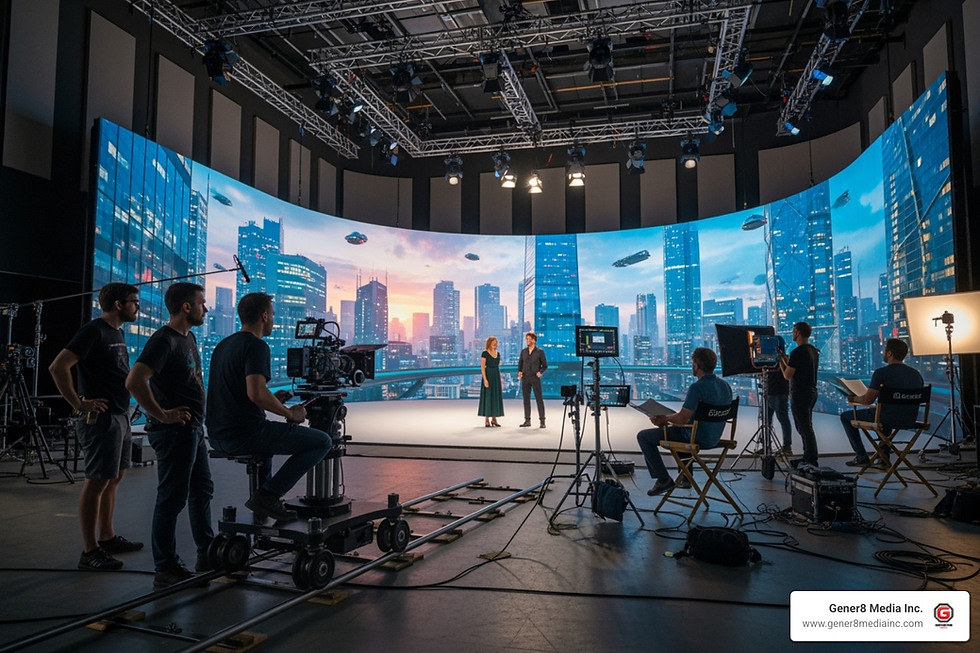
In today's rapidly evolving media landscape, a top-tier documentary production company accepts and masters cutting-edge technology. This includes utilizing high-resolution cameras, advanced lighting, and sophisticated sound equipment to capture the highest quality footage. Beyond the basics, integrating innovative tools like drones for breathtaking aerial shots, or even more advanced techniques such as virtual production and 3D animation, can transform a documentary into an immersive experience.
At Gener8 Media, we leverage these very tools to create visually stunning and impactful content, pushing the boundaries of traditional filmmaking. This commitment to technological advancement ensures that stories are told with maximum impact and visual appeal. Dive deeper into how we use these tools by exploring our Virtual Production Masterclass.
Strong Industry Connections and Distribution Strategy
Even the most brilliant documentary won't make an impact if it doesn't reach its audience. A successful documentary production company possesses strong industry connections, enabling them to steer the complex world of distribution. This includes relationships with film festival circuits (like Hot Docs), streaming platforms (such as Netflix, Hulu, and Amazon Prime), and broadcast networks.
These connections are vital for securing distribution deals, maximizing audience reach, and ensuring the film gains the visibility it deserves. A robust distribution strategy is planned from the outset, considering the target audience and the most effective channels to engage them, whether it's through theatrical releases or the rapidly growing streaming segment. Our approach emphasizes strategic partnerships to ensure your story finds its home. Find more about Our Distribution Approach.
Ethical Filmmaking Practices
Documentary filmmaking carries a significant ethical responsibility. A reputable documentary production company prioritizes ethical practices throughout the entire process. This means ensuring informed consent from all subjects, treating individuals with respect and care, maintaining journalistic integrity in research and storytelling, and rigorously fact-checking all information. Authenticity is paramount, and ethical companies strive to present realities truthfully, without manipulation or exploitation.
They understand that their work can have a profound impact on the lives of their subjects and the public's perception of issues. This commitment to integrity builds trust with both subjects and audiences, leading to more credible and impactful films.
What defines a successful documentary production company
A successful documentary production company is defined by a combination of critical acclaim, audience impact, and its ability to spark cultural conversations. It's about creating films that not only receive positive reviews and win awards at prestigious festivals but also genuinely move audiences, raise awareness about important issues, and inspire action.
Success is measured not just in box office numbers or streaming views, but in the lasting legacy of the stories told and their contribution to broader societal understanding. These companies aim to preserve memory, foster empathy, and give voice to the voiceless, leaving an indelible mark on culture. We are constantly working on projects that aim to achieve this level of impact. Explore our Current Projects to see what we're creating now.
The Evolving Landscape of Documentary Film
The documentary world never stands still. It's constantly shifting, adapting, and growing in ways that would have seemed impossible just a decade ago. For any documentary production company today, understanding these changes isn't just helpful—it's essential for survival and success.
Think about it: we've gone from documentaries being niche theatrical releases to becoming must-watch content that millions stream on their phones during lunch breaks. This change has created incredible opportunities while also presenting new challenges that filmmakers must steer.
The Rise of Streaming and Niche Audiences
The streaming revolution has completely changed the game. We're not just talking about a small shift here—the streaming segment is growing at a 10.1% annual rate and showing no signs of slowing down. This explosive growth has democratized documentary content in ways we never imagined possible.
What does this mean for storytellers? Your documentary about urban beekeeping or forgotten jazz musicians now has a real chance of finding its perfect audience. Streaming platforms have created space for stories that traditional broadcasters might have passed on, opening doors for more diverse voices and unique perspectives.
The global reach is equally exciting. A documentary production company can now tell a local story and watch it resonate with viewers across continents. Geographic boundaries have essentially disappeared, replaced by communities of interest that span the globe.

Challenges and Rewards of Documentary Work
Let's be honest—documentary work isn't for the faint of heart. The funding landscape can feel like navigating a maze blindfolded. Grant applications are complex, and waiting periods can stretch for months. Some programs take up to 80 business days just to make funding decisions, which means patience becomes as important as creativity.
The production process itself brings unique emotional challenges. When you're documenting real people's lives, especially during difficult times, the weight of responsibility can be overwhelming. Long production timelines are the norm rather than the exception, and the unpredictable nature of reality means your carefully planned schedule might go out the window at any moment.
But here's what keeps filmmakers coming back: the rewards are extraordinary. There's something magical about creating content that genuinely makes a difference. When your documentary sparks important conversations, raises awareness about overlooked issues, or gives voice to people who desperately need to be heard, all those challenges suddenly feel worth it.
The personal fulfillment that comes from meaningful storytelling is best. You're not just making entertainment—you're contributing to a more understanding and empathetic world.
The Lasting Impact of Documentaries on Culture
Documentaries do something remarkable: they shape how we see ourselves and our world. They challenge assumptions, reveal hidden truths, and preserve stories that might otherwise be lost forever. When a documentary captures the public's attention, it can shift entire conversations and even influence policy decisions.
These films serve as cultural time capsules, documenting not just events but the emotions and perspectives of specific moments in history. They build bridges between different communities, helping us understand experiences vastly different from our own.
The ripple effects can last for generations. A well-crafted documentary doesn't just inform—it inspires action, preserves memory, and fosters the kind of empathy our world desperately needs. In many ways, documentary filmmaking represents an essential duty to remember and to help others remember too.
Frequently Asked Questions about Documentary Production
We love talking with filmmakers and storytellers about the realities of documentary production. Over the years, we've noticed the same questions come up again and again. Let's explore the most common ones we hear.
How long does it take to make a documentary?
Here's the honest truth: documentary timelines vary wildly. We've seen short films come together in just a few months, while feature-length documentaries can stretch across several years - sometimes even a decade for deeply complex historical projects.
The timeline depends on so many factors. A simple biographical piece might move quickly through development, but a investigative documentary requiring extensive research could spend years just in the development phase. Then there's funding acquisition, which can add months or even years to your timeline.
Once you're in production, you're at the mercy of your subjects' schedules and real-world events. Unlike scripted films, documentaries unfold naturally, and you can't rush authentic moments. Post-production - the editing, sound design, and color grading - often takes longer than expected as editors craft the narrative from hours of raw footage.
Our advice? Plan for patience. The best documentaries aren't rushed; they're allowed to develop organically.
How much does a documentary cost to produce?
Budget ranges in documentary filmmaking are absolutely massive. We've seen micro-budget independent films created for under $10,000, while high-end productions with extensive travel and archival footage can cost millions.
Equipment costs vary dramatically depending on your approach. You might rent professional cameras and lighting, or invest in your own gear. Crew salaries add up quickly, especially for longer shoots. If your story requires travel, those accommodation and transportation expenses can become substantial.
Don't forget about post-production costs - they're often higher than filmmakers expect. Professional editing, sound design, color grading, and music licensing all require budget consideration. Archival footage rights can be particularly expensive if you're using historical material.
Most documentary production companies piece together funding from multiple sources: grants, private investors, crowdfunding campaigns, and pre-sales to broadcasters or streaming platforms. Having a solid financial plan from day one isn't just helpful - it's essential.
What makes a documentary story compelling?
The magic ingredient in any great documentary is the human element. Audiences connect with people, not just topics. When viewers can see themselves in your subjects' struggles, triumphs, or journeys, you've got something special.
Conflict drives narrative. This doesn't mean shouting matches - it could be an internal struggle, a fight for justice, or someone overcoming seemingly impossible odds. Change is equally important. We want to see how people, communities, or situations transform throughout your film.
Universal themes resonate across cultures and backgrounds. Stories about love, loss, identity, justice, or the pursuit of dreams speak to something fundamental in all of us. Even the most niche subject can become compelling when it taps into these deeper human experiences.
Unique access can set your documentary apart. Maybe you have unprecedented behind-the-scenes access, or you've finded a fresh angle on a familiar story. Sometimes the most compelling documentaries come from the most unexpected places.
The best documentary stories make us feel something. They challenge our assumptions, introduce us to remarkable people, or help us see the world differently. That emotional connection is what transforms a good film into an unforgettable one.
Conclusion: Bringing Your Vision to the Screen
Creating a documentary is like starting on an incredible adventure - one that transforms powerful ideas into stories that can change hearts and minds. Throughout this journey, we've seen how a great documentary production company blends artistic vision with ethical storytelling and cutting-edge technology.
The magic happens when you combine compelling human stories with the right technical expertise. Modern tools like virtual production and 3D animation don't just make films look better - they create immersive experiences that pull audiences right into the story. When viewers feel connected to what they're watching, that's when real impact happens.
People are hungry for authentic stories that matter. Documentaries do more than entertain - they educate, build empathy, and spark the kind of conversations that lead to positive change. Whether it's preserving important history or giving voice to those who need to be heard, these films have the power to shape how we see the world.
At Gener8 Media Inc., we're passionate about helping you tell your story in the most compelling way possible. Based in Northern California, we bring together expertise in media production and marketing with cutting-edge technology to create content that truly resonates. From film and TV to motorsports and digital campaigns, we believe every vision deserves to be brought to life with care and creativity.
The documentary market is booming - reaching $31.2 billion and growing fast - because people want stories that matter. Your story could be the next one to make a difference.
Ready to turn your vision into a documentary that captivates audiences and creates lasting impact? We'd love to help you make it happen.


Comments