
Finding Your Story's Home: Leading Documentary Production Houses

Why Documentary Film Production Companies Are Essential for Powerful Storytelling
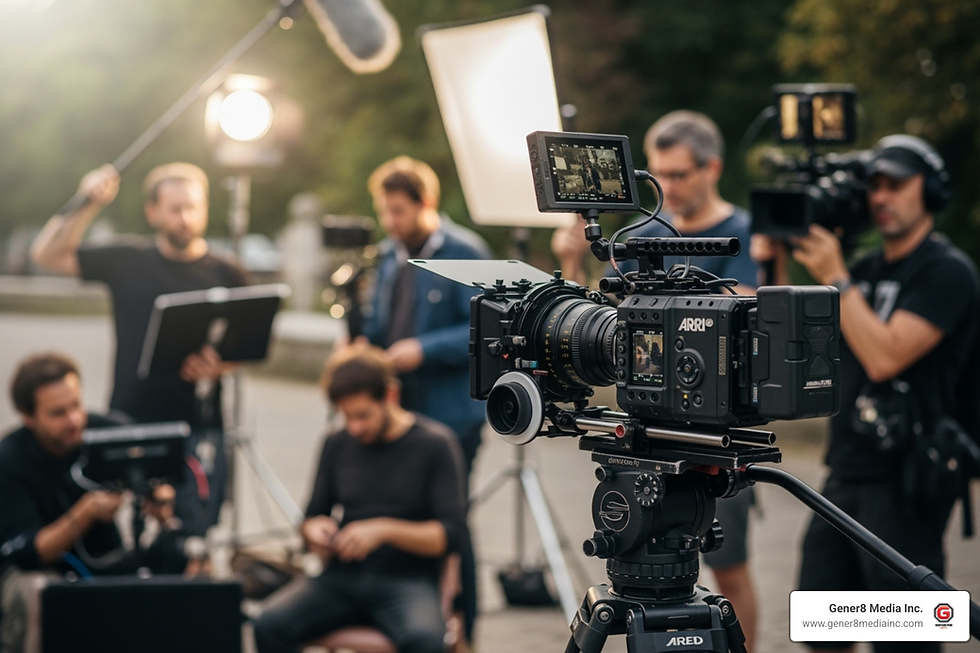
Documentary film production companies have become the backbone of non-fiction storytelling in our media landscape. These specialized studios transform real-world stories into compelling visual narratives that educate, inspire, and move audiences worldwide.
Top Documentary Production Company Types:
Independent Studios - Focus on artistic vision and niche topics
Broadcast-Affiliated Companies - Create content for television networks
Streaming Platform Partners - Develop content for Netflix, Amazon Prime, and other platforms
Co-Production Houses - Collaborate internationally on large-scale projects
Boutique Agencies - Specialize in specific genres like true crime or nature documentaries
The documentary industry has exploded in recent years. With streaming platforms hungry for authentic content and audiences craving real stories over fictional narratives, demand has never been higher. According to industry data, there are 192 companies listed in major directories for documentary production in Canada alone, with over 700 hours of programming produced by leading studios.
What sets successful documentary production companies apart? Research shows that top-tier companies share key traits: exhaustive research capabilities, strong protagonist development, and the ability to create visually powerful narrative styles. As one industry leader puts it: "Nothing is more powerful than reality" - but it takes the right production partner to open up that power.
Whether you're a nonprofit with an important message, a brand wanting to tell your origin story, or an individual with a compelling personal narrative, choosing the right documentary production company can make the difference between a forgotten film and one that changes hearts and minds.
What Defines a Successful Documentary Production Company?
When you're watching a documentary that completely captivates you—one that makes you forget you're sitting on your couch and transports you into someone else's world—you're experiencing the magic that only the best documentary film production companies can create.
What separates these exceptional companies from the rest? It all starts with storytelling prowess. The most successful documentary makers understand that facts alone don't make a great film. They know how to weave information into a narrative that grabs your heart and doesn't let go. This kind of storytelling magic doesn't happen by accident—it requires exhaustive research that goes far beyond surface-level facts.
Great documentary companies dig deep. They spend months, sometimes years, uncovering the layers of a story that others might miss. They understand that the most powerful documentaries often come from finding the human element in complex issues.
This research leads them to identify strong protagonists—the real people whose journeys become the emotional backbone of the film. These aren't just interview subjects; they're characters whose struggles and triumphs we genuinely care about. When a production company can help us connect with these individuals on a personal level, that's when documentary magic happens.
Equally important is developing a distinct visual language. Every frame should serve the story, whether through intimate close-ups that reveal raw emotion or sweeping shots that provide context. The best companies know that what we see is just as important as what we hear.
But perhaps the most crucial element is passion and vision. When filmmakers truly believe in the stories they're telling, that enthusiasm becomes infectious. It pushes them to go the extra mile, to find creative solutions, and to create films that don't just inform—they inspire and move audiences to action.
Key Characteristics of Top-Tier Companies
Beyond the creative vision, the day-to-day operations of documentary film production companies reveal what truly makes them exceptional. When you look at client reviews and industry feedback, certain qualities consistently shine through.
Professionalism isn't just about wearing suits to meetings—it's about treating every project with respect and dedication. The best companies understand that they're handling someone's story, often their most important story, and they approach that responsibility seriously.
Creativity goes hand-in-hand with problem-solving. Documentary production is full of unexpected challenges—weather doesn't cooperate, interview subjects get nervous, or funding falls through. Top-tier companies find innovative ways to work around these obstacles while maintaining the integrity of the story.
Responsiveness might seem like a small thing, but it makes a huge difference. When you're working on a documentary, emotions and stakes run high. Knowing that your production company will return calls, answer emails, and keep you informed throughout the process provides invaluable peace of mind.
Excellent project management is what separates professional companies from amateur operations. The best documentary producers are masters of logistics—coordinating schedules, managing budgets, and keeping complex productions on track. They understand that creative vision means nothing if you can't execute it properly.
Finally, high client ratings tell the real story. When previous clients consistently praise a company's storytelling ability, emotional engagement, and professionalism, you know you've found a partner who delivers on their promises.

Balancing Artistic Vision with Commercial Viability
Here's where things get really interesting—and honestly, a bit tricky. The best documentary film production companies have mastered one of the most challenging aspects of the business: creating films that are both artistically meaningful and commercially successful.
Securing funding is often the first reality check. Documentary makers need to present their vision in a way that excites not just creative partners, but also investors, grant committees, and broadcasters who have their own bottom lines to consider. This means crafting proposals that demonstrate both artistic merit and audience appeal.
Navigating distribution requires understanding different platforms and their unique demands. A streaming service might want a different format than a theatrical release. Broadcast television has its own set of requirements for length and content. Each platform offers different opportunities and constraints.
The real challenge comes in retaining creative control while working within these commercial realities. Meeting broadcaster demands might mean adjusting runtime or adding certain elements, but the best companies find ways to do this without compromising the heart of their story.
Smart production companies develop audience engagement strategies from the very beginning. They think about who will watch their film and how to reach those viewers effectively. This isn't about dumbing down content—it's about making important stories accessible to the people who need to hear them.
The most successful companies understand that a documentary needs to find its audience to truly make an impact. They create films that move people while also building sustainable businesses that can continue telling important stories for years to come.
The Evolving Landscape of Documentary Film Production Companies
The documentary world has completely transformed over the past twenty years. What started as a small corner of public broadcasting has exploded into a massive, global industry that touches every screen in our lives.
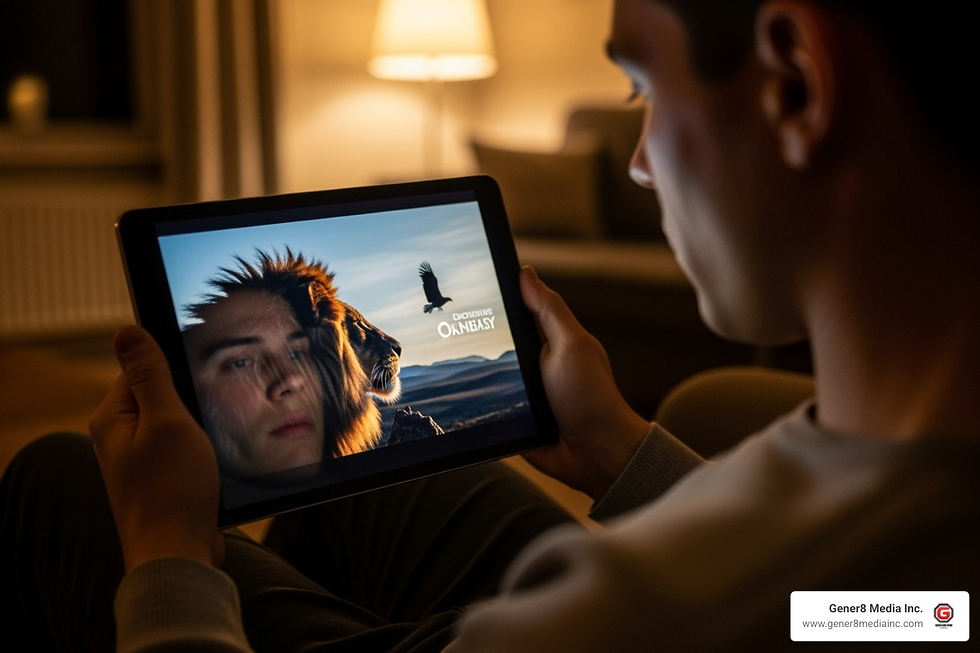
The shift from broadcast to streaming has been nothing short of revolutionary. Remember when documentaries were something you'd catch on PBS or at a film festival? Those days feel like ancient history now. The Netflix effect changed everything - suddenly, there was an insatiable appetite for real stories, and the budgets to make them happen.
This hunger for authentic content has created opportunities that simply didn't exist before. A documentary about beekeeping in rural Montana can now find millions of viewers worldwide. True crime series have become cultural phenomena. Historical documentaries are breaking viewing records. Niche platforms are popping up everywhere, each one looking for fresh, compelling content.
For documentary film production companies, this expansion has been a game-changer. The sheer volume of content needed to feed these platforms has opened doors that were previously locked tight. Stories that might have struggled to find an audience now have multiple pathways to reach viewers who are genuinely hungry for that exact content.
The Role of Technology and Innovation
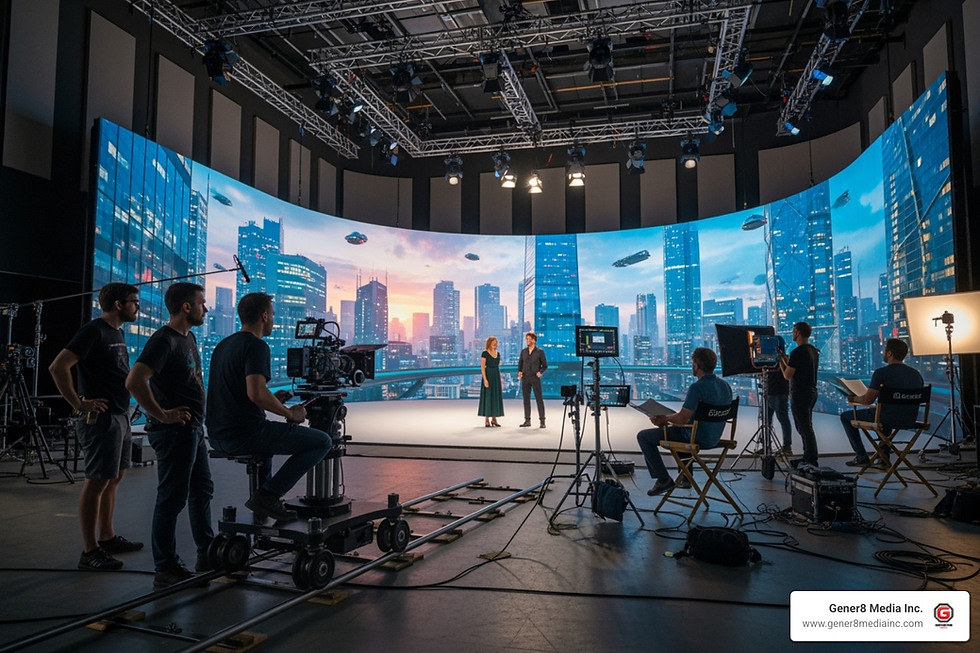
Technology isn't just changing how documentaries look - it's revolutionizing how stories get told. At Gener8 Media, we've seen how virtual production and 3D animation can transform a filmmaker's vision into something truly immersive. These aren't just fancy bells and whistles; they're powerful storytelling tools.
The technology toolkit available to documentary film production companies today would have seemed like science fiction just a decade ago. Drones and advanced cameras now capture shots that were once impossible or incredibly dangerous. Imagine trying to get those sweeping aerial views of remote locations without risking lives or breaking budgets.
Interactive media and VR experiences are creating entirely new ways for audiences to connect with stories. Instead of just watching a documentary about climate change, viewers can virtually experience a melting glacier. It's the difference between reading about something and actually being there.
Perhaps most exciting is how user-generated content has democratized storytelling. Smartphone footage from everyday people is finding its way into major productions, giving authentic voices to extraordinary experiences. These aren't professional cameras, but they capture truth in ways that polished equipment sometimes can't.
Challenges and Opportunities in the Modern Era
With great opportunity comes great challenge, and the documentary world is feeling both right now. Market saturation is real - with so much content being produced, it's harder than ever for individual films to break through the noise. Every day, dozens of new documentaries hit various platforms, all competing for the same eyeballs.
Funding competition remains fierce despite increased demand. Yes, there are more opportunities, but there are also more filmmakers chasing them. Ethical considerations have become more complex too, especially when dealing with vulnerable subjects or sensitive topics. The responsibility to tell stories truthfully and respectfully weighs heavily on every production decision.
But here's where it gets exciting: global reach means a story that resonates can truly change the world. A documentary made in a small town can spark international conversations. New storytelling formats are emerging constantly, pushing creative boundaries in ways that would have been unimaginable just a few years ago.
The industry's diversity is staggering - from established companies with decades of experience to innovative startups experimenting with cutting-edge formats. This constant evolution creates space for fresh voices and bold approaches. Every challenge in this landscape also represents an opportunity for documentary film production companies willing to adapt and innovate.
A Look Inside: Funding, Distribution, and Business Models
Ever wonder how documentary film production companies actually make their magic happen? The business side might not be as glamorous as the storytelling, but it's absolutely fascinating once you peek behind the curtain.
Most successful documentary companies are surprisingly nimble. Take a company like John Walker Productions Ltd. – they've figured out that staying lean is the secret sauce. Instead of maintaining huge teams year-round, they keep a small core staff and bring in talented freelancers when needed. Need a specialized sound engineer for three weeks? Hire one. Legal expertise for contract negotiations? Contract it out. This approach lets them adapt to each project's unique needs without drowning in overhead costs.
The really exciting projects often happen through co-production models. Picture this: a Canadian company partners with a European studio, pooling their resources, expertise, and networks. Suddenly, a documentary that might have struggled with a modest budget becomes something spectacular. Telefilm Canada's directory shows just how popular this approach has become – they list 186 co-production results over the past seven years alone. It's like having the best of multiple worlds working together.
Find creative partners through RDV Canada
How Documentary Film Production Companies Secure Funding
Let's be honest – funding is where dreams either take flight or crash and burn. Documentary film production companies have gotten creative about piecing together the money puzzle, and it's rarely just one source that makes it happen.
Grants and public funds form the backbone for many projects, especially those tackling important social issues or preserving cultural stories. Governments and nonprofits recognize that documentaries do more than entertain – they educate, inspire, and sometimes change the world. These grants often come with strings attached, but they're gold for projects with strong artistic merit or social impact.
Private investors bring a different energy to the mix. Maybe they're passionate about environmental issues, fascinated by historical mysteries, or simply believe in a filmmaker's vision. Sometimes it's about potential returns, other times it's pure philanthropy. Either way, finding the right investor can transform a project.
The big players – broadcaster commissions from networks like BBC, National Geographic, and streaming giants – represent the holy grail for many filmmakers. Off the Fence Originals shows what's possible here, having produced over 700 hours of programming for A-list broadcasters and even snagging an Academy Award for 'My Octopus Teacher' through smart co-production partnerships.
Crowdfunding has democratized the process in beautiful ways. Suddenly, a filmmaker can connect directly with people who care about their story, building a community of supporters before the cameras even start rolling. And co-production treaties between countries open doors that might otherwise stay locked, creating funding and distribution opportunities across multiple territories.
Diverse Distribution Strategies
Creating an amazing documentary is only half the battle – getting it in front of the right eyes is where the real strategy comes in. The smartest documentary film production companies don't put all their eggs in one basket.
Theatrical releases still carry serious prestige. There's something magical about seeing your film on the big screen, and it often opens doors to awards recognition and critical acclaim. John Walker Productions understands this balance, creating films that work beautifully both in theaters and on television.
The film festival circuit remains the industry's heartbeat. Festivals like Telluride, Hot Docs, and Berlin International Film Festival aren't just screening venues – they're networking goldmines and deal-making headquarters. Canada Wild Productions has mastered this game, collecting over 45 international and national honors from festivals worldwide.
Streaming service deals have revolutionized everything. Suddenly, a documentary can reach millions of viewers globally, available whenever they want to watch. Broadcast television still delivers massive audiences through traditional scheduling, while educational distribution gives documentaries a valuable second life in classrooms and libraries.
Here's where it gets interesting: companies like Canada Wild Productions have pioneered community-based forums as part of their distribution strategy. They blend broadcast and theatrical screenings with community events, creating spaces for discussion and action around controversial issues. It's distribution with purpose, ensuring their accessible documentaries reach diverse audiences and spark meaningful conversations.
This multi-layered approach means a documentary can find its perfect audience through multiple pathways, maximizing both impact and reach.
Finding the Right Partner: What to Look for in Documentary Film Production Companies
Choosing the right documentary film production company feels a lot like finding the perfect collaborator for your most important story. You're not just hiring a service provider – you're inviting a creative partner to help shape how your vision reaches the world.
The process can feel overwhelming when you're looking at dozens of potential partners, each with their own specialty and approach. But here's the thing: the best partnerships happen when you find a company whose strengths align perfectly with what your story needs most.

Companies Excelling in Emotional Storytelling
The documentaries that stick with you long after the credits roll all have one thing in common: they made you feel something. When you're evaluating potential partners, pay close attention to how they talk about the human element in their work.
Look for companies that understand that focus on human drama isn't just about finding interesting characters – it's about finding the universal truths within individual experiences. The best documentary film production companies know how to identify those moments that make viewers lean forward, hold their breath, or reach for tissues.
John Walker Productions Ltd. exemplifies this approach beautifully. John Walker's films are described as "personal, lyrical, and expressing a deep understanding of the human condition." This isn't fancy marketing speak – it's a fundamental philosophy about crafting compelling narratives that connect with audiences on a gut level.
When you're meeting with potential production partners, ask them about their process for eliciting emotional engagement. How do they help subjects feel comfortable sharing vulnerable moments? How do they structure their storytelling to build emotional crescendos? The companies that light up when discussing these elements are the ones who understand that great documentaries aren't just informative – they're transformative.
Specialists in Niche Genres and Topics
Sometimes your story lives in a very specific world, and that calls for a production partner who really gets that universe. Specialization in specific fields isn't just about having the right equipment (though that matters too) – it's about understanding the nuances, the key players, and the unspoken rules of your subject area.
If you're developing true crime documentaries, you need a team that understands how to steer sensitive legal territories and build relationships with law enforcement. For historical features, you want partners who know how to make archival footage sing and can spot the small details that bring past eras to life. Nature and wildlife projects require crews who can endure challenging conditions and have the patience to capture those perfect moments when animals forget humans are watching.
The beauty of working with specialists is that they often bring established networks and hard-won expertise to your project. They know which archives have the best materials, which experts are most articulate on camera, and which locations will give you the most authentic backdrop for your story.
Leaders in Project Management and Professionalism
Here's where the rubber meets the road: all the creative vision in the world won't save a project that's poorly managed. The companies that consistently deliver exceptional documentaries are masters of both the art and the business of filmmaking.
Client communication should feel effortless from your end. The best production companies keep you informed without overwhelming you, and they anticipate questions before you need to ask them. Timely delivery isn't just about hitting deadlines – it's about respecting your timeline and understanding how delays can impact your broader goals.
When it comes to adherence to budget, look for companies that are transparent about costs upfront and skilled at managing resources efficiently. Signature Video Group earns consistent praise for their "project management, technical expertise, and exceptional customer service," while companies like Jayme Cowley Media Co. are celebrated for their communication skills.
Technical expertise matters enormously, especially as documentary production becomes more sophisticated. You want a team that stays current with the latest tools and techniques, but also knows when simpler approaches serve the story better.
The companies that excel in all these areas create an environment where creativity can flourish because the logistical foundation is rock-solid. When you're not worried about whether deliverables will arrive on time or within budget, you can focus on what matters most: making sure your story reaches its full potential.
Frequently Asked Questions about Documentary Production
When people are considering their first documentary project, they naturally have lots of questions. We've been answering these same questions for years, so let's tackle the big ones that come up time and time again.
How long does it take to produce a documentary?
This is probably the question we hear most often, and honestly, it's a bit like asking "how long does it take to write a book?" The answer depends entirely on your story and how you want to tell it.
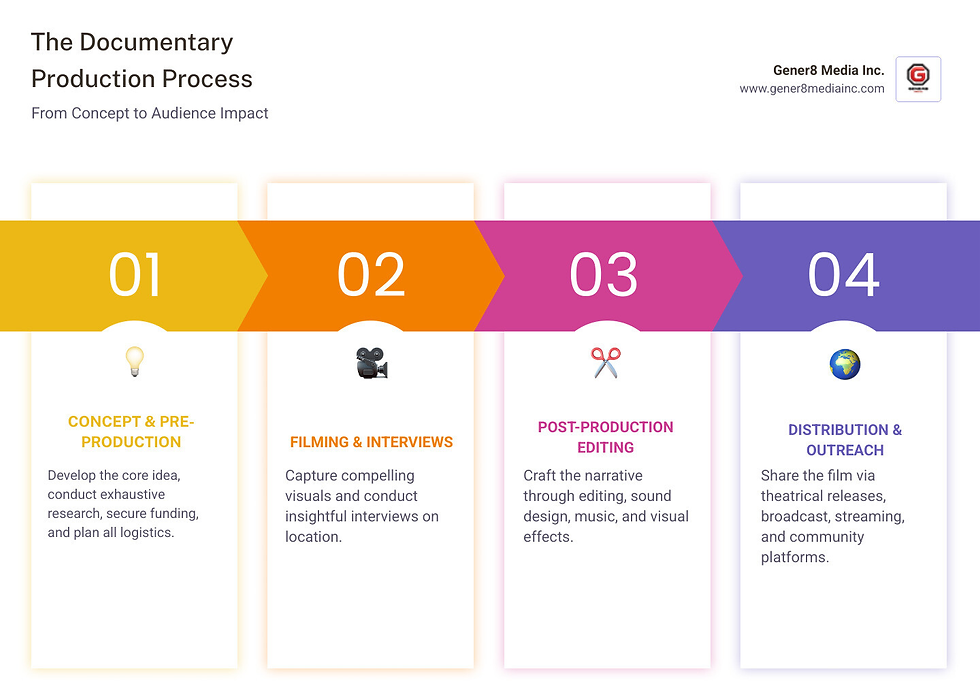
The pre-production phase is where everything begins - and it can be surprisingly lengthy. This is when you're doing research, developing your script, securing access to locations or interview subjects, and hunting down funding. For straightforward projects, this might take a few months. But for complex or sensitive subjects? We've seen this phase stretch to several years.
Filming duration varies wildly based on what you're documenting. If you're capturing a single event like a conference or performance, you might wrap shooting in just a few days. But if you're following someone's personal journey or documenting a story that unfolds over time, filming could span months or even years.
The post-production timeline is where the magic really happens, but it takes patience. Editing, sound design, color grading, and adding graphics typically takes six to twelve months. Sometimes longer if you're working with extensive archival footage or complex animations.
All told, most documentaries take anywhere from one to five years from initial concept to final cut. It varies dramatically by project scope, but that's the reality of creating something truly meaningful.
What is the average cost of a documentary?
Budget conversations always make people nervous, but here's the honest truth: documentary costs are all over the map. We've seen micro-documentaries made for a few thousand dollars, and we've worked on feature-length films with budgets in the millions.
Several budget factors heavily influence the final cost. Your crew size makes a huge difference - a small, nimble team costs far less than a large production crew with specialized roles. Locations can dramatically impact your budget too. Filming locally is one thing, but international travel or securing permits for sensitive locations adds up quickly.
Equipment needs vary widely depending on your vision. Basic cameras and sound gear might suffice for intimate interview-style documentaries, while nature documentaries or action-heavy subjects might require specialized equipment like drones or underwater cameras.
Post-production needs often surprise first-time filmmakers with their complexity and cost. If you need extensive archival research, original music composition, complex animations, or high-end color grading, these services add significant value but also increase your budget.
Funding sources often determine the scale and ambition of your project. Grant-funded documentaries might have modest budgets focused on social impact, while broadcaster-commissioned films typically have larger budgets to meet specific production standards.
The reality is that budgets can range from under $10,000 for simple projects to hundreds of thousands or more for ambitious feature documentaries. The key is matching your vision to your available resources.
How do I submit an idea to a production company?
Having a great story idea is exciting, but approaching documentary film production companies requires some strategy. We see a lot of submissions, and the ones that stand out follow a clear pattern.
Researching companies is your crucial first step. Don't blast your idea to every production company you can find online. Instead, spend time looking at companies whose previous work aligns with your story's genre, tone, and subject matter. Check out their websites, watch their films, and follow their social media to understand their style and interests.
Crafting a proposal that grabs attention takes skill. Your written proposal should be concise but compelling, clearly outlining your story's premise, why it matters now, and who would want to watch it. Include some background about yourself and why you're the right person to tell this story. Keep it focused - nobody wants to read a twenty-page treatment in their inbox.
Creating a sizzle reel can be incredibly powerful, even if you're not a professional filmmaker. A short one-to-three-minute visual teaser helps production companies immediately grasp your story's mood and potential. This might be raw footage, interviews, or even simple concept visuals set to music.
Legal protection is worth considering before you share detailed ideas. Understanding basic intellectual property concepts protects both you and the production company. For sensitive or highly commercial concepts, you might want to register your idea or discuss non-disclosure agreements.
First impressions matter enormously in this industry. A well-prepared, professional submission significantly increases your chances of getting your story noticed and taken seriously.
Conclusion
The journey of bringing a documentary to life is both thrilling and demanding. It requires creativity, resilience, and most importantly, the right partnership with one of the many talented documentary film production companies out there.
Throughout this guide, we've explored what makes this industry so fascinating. We've seen how the best companies combine storytelling prowess with exhaustive research, creating narratives that don't just inform but truly move audiences. The balance between artistic vision and commercial viability isn't easy, but it's what separates good documentaries from unforgettable ones.
The landscape continues to evolve at breakneck speed. Technology like virtual production and 3D animation is opening up new possibilities for immersive storytelling. Yes, there are challenges - market saturation and funding competition are real. But the opportunities are equally exciting, with global audiences hungry for authentic stories and new platforms emerging constantly.
When you're ready to tell your story, remember what we've discussed about finding the right partner. Look for companies that excel in emotional storytelling, have expertise in your specific niche, and demonstrate the kind of professionalism that keeps projects on track and on budget. The reviews and testimonials we've shared show just how much difference the right team can make.
At Gener8 Media Inc., we understand that every story deserves to be told with passion and precision. Our commitment to leveraging cutting-edge technology, combined with our deep respect for the power of authentic narratives, means we're not just creating documentaries - we're crafting experiences that resonate long after the credits roll.
Whether your story is intimate and personal or sweeping and global, the right documentary production partner will help you find its most powerful voice. The future of documentary storytelling has never looked brighter.


Comments